
GLP-1 Medications and Cancer: Could the Weight-Loss Revolution Also Become a Cancer Breakthrough?
Dr. Johnston looks at studies linking obesity to cancer and examines whether GLP-1 medications are associated with lower cancer risk, noting that the evidence is observational.
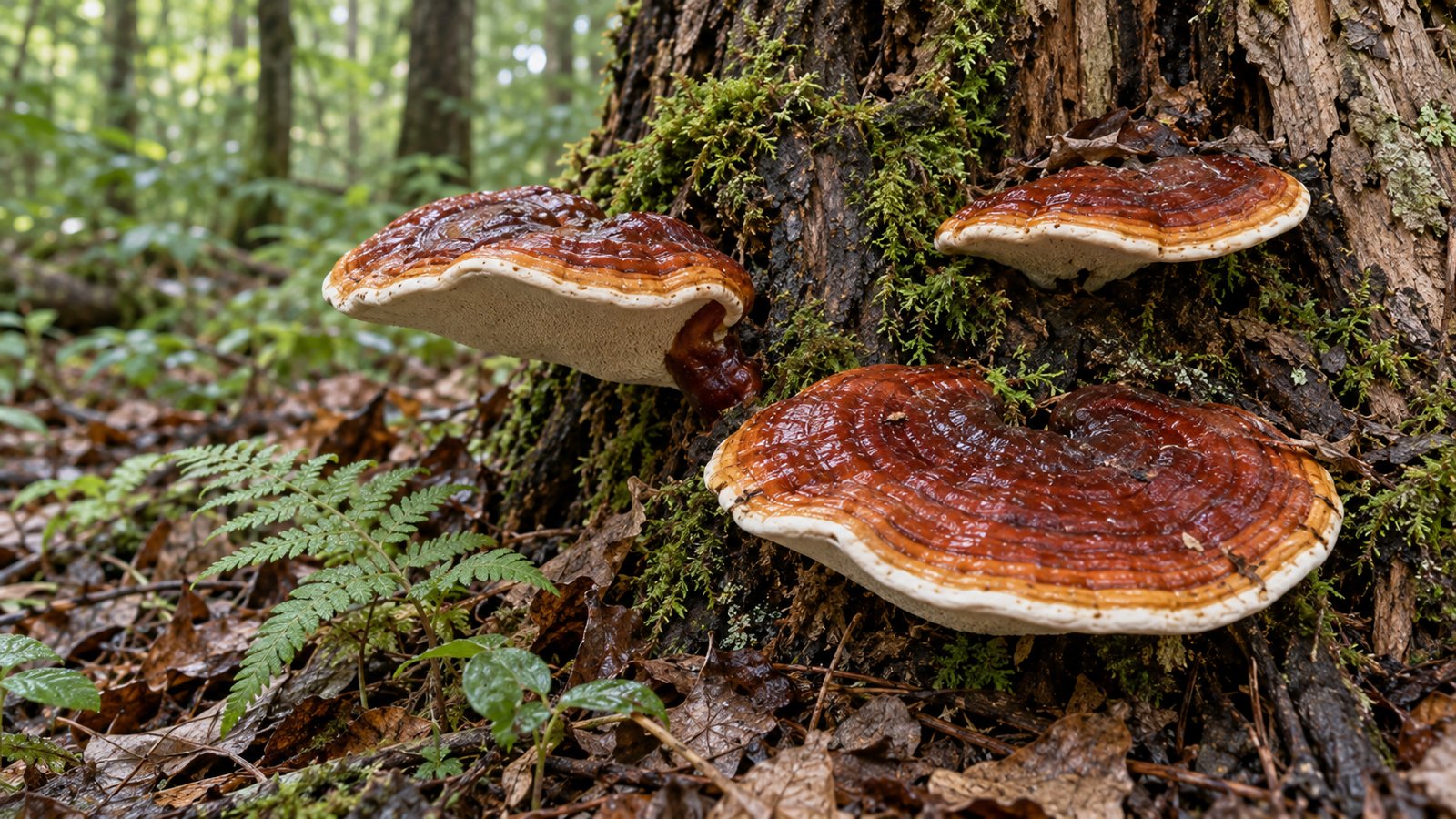
The Top Ten Supplements I Would Take If I Had Cancer
Dr. Johnston ranks the ten supplements and repurposed generic drugs he would put on his own shortlist, weighing human trials first, then animal and laboratory research.
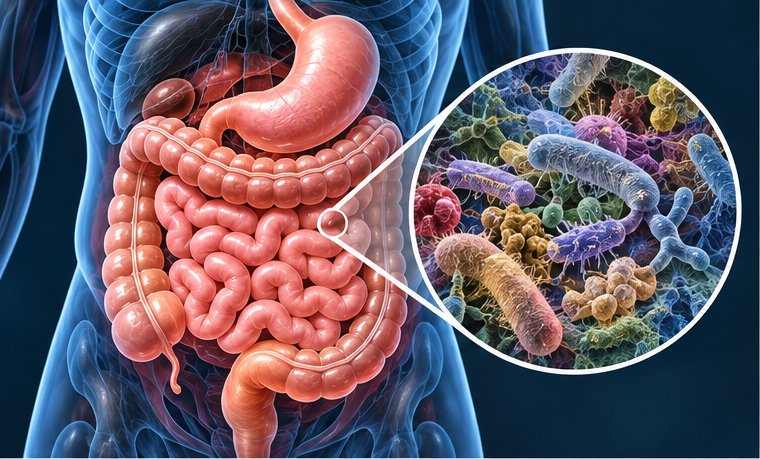
The Gastrointestinal Microbiome's Effect on Cancer: What Does the Evidence Say?
Dr. Johnston looks at what studies in animals and people report about gut bacteria, probiotics and the response to cancer immunotherapy.
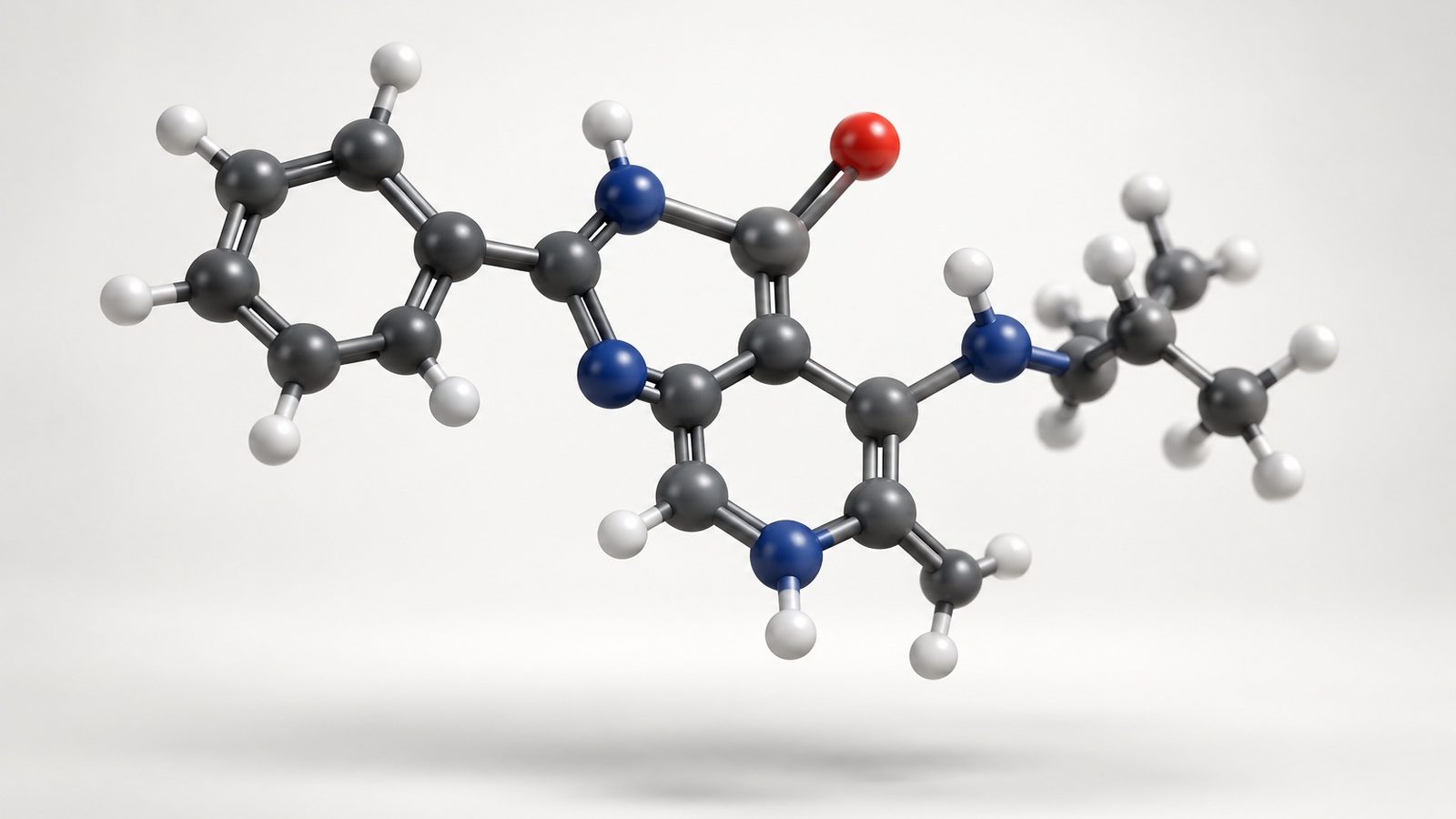
Statins and Cancer: What Large Analyses Show, and What They Can't
Large analyses link statins to lower cancer mortality, but the data are observational and a bias-corrected analysis found no difference. Here is what they show.
Methylene Blue and Red Light in Cancer Research: Photodynamic Effects and the Warburg Effect
Lab studies explore how methylene blue interacts with light and cancer cell energy use. Human evidence is thin, and the drug-interaction risks are serious.

Melatonin and Cancer: What the Randomized Trials Show
A meta-analysis of small randomized trials linked melatonin to better tumor response and one-year survival, but later blinded trials did not confirm the benefit.
Aspirin and Colorectal Cancer: The PIK3CA Trial Explained
The ALASCCA trial found low-dose aspirin cut colorectal cancer recurrence in tumors with PI3K pathway changes. Here is what it shows and the bleeding risks.

Turkey Tail and PSK in Cancer: What the Randomized Trials Show
PSK, a Turkey Tail extract used in Japan, was tested in randomized cancer trials. The survival signal is modest and low certainty, and tea is not the extract.
The MTHFR Connection
Dr. Johnston asks whether MTHFR variants matter more under stress such as COVID-19, and why he turned to L-methylfolate.
Methylene Blue and Cancer: What the Laboratory Research Shows
Methylene blue is approved for one blood condition and studied in cancer cells and mice. No human trial shows it treats cancer, and it interacts with common medicines.
Mebendazole and Cancer: A Familiar Deworming Drug with Broad Preclinical Activity
Mebendazole, a long-used deworming drug, shows anticancer activity in lab models. Human data are limited and early, and liver and marrow effects matter.
Ivermectin and Cancer: Why Researchers Are Studying an Antiparasitic Drug
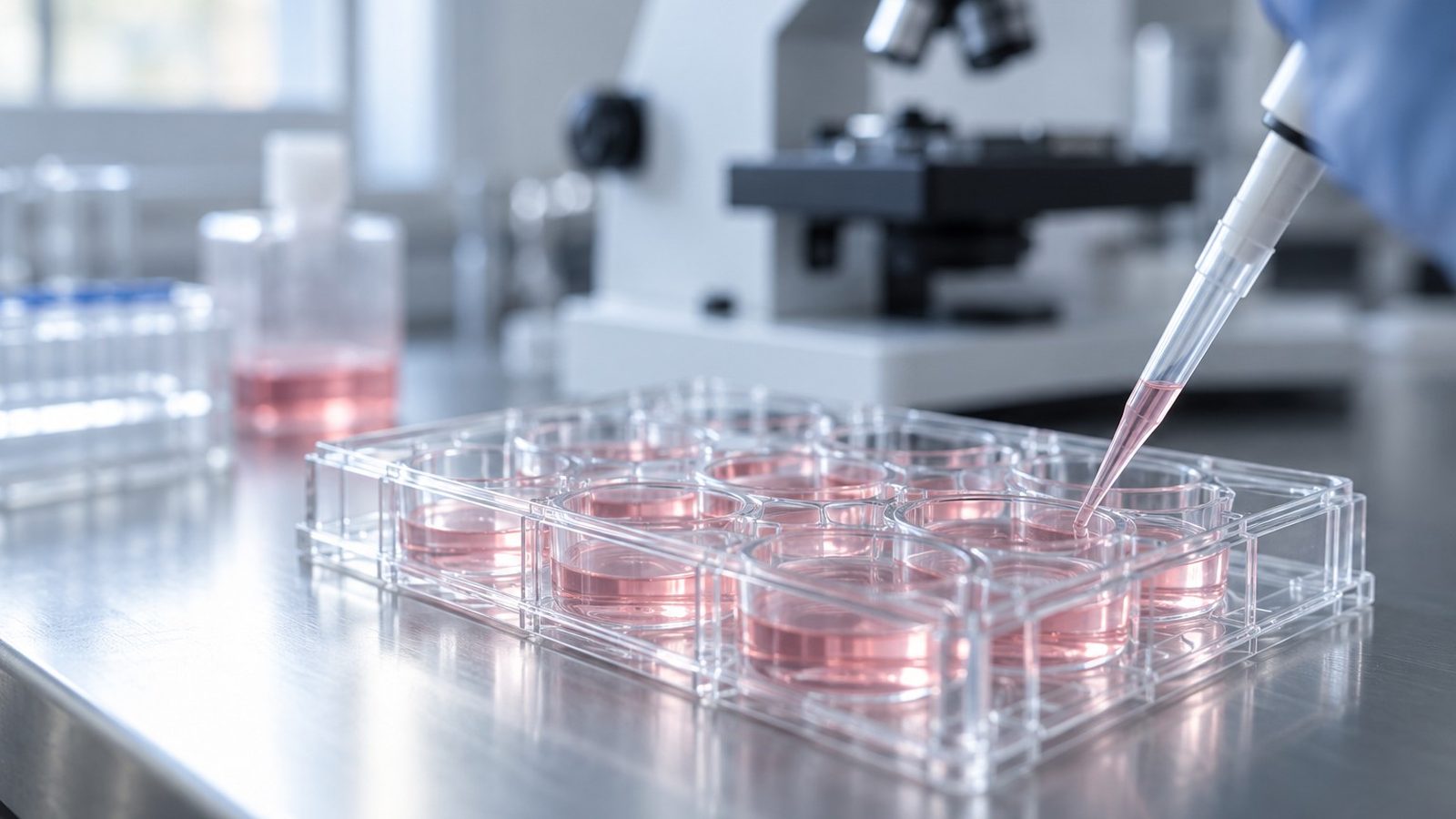
Ivermectin has shown effects on cancer cells in the lab, but at levels far above what people can reach. Human evidence is very limited, and safety matters.
Elemene and Cancer: What Laboratory and Clinical Research Show
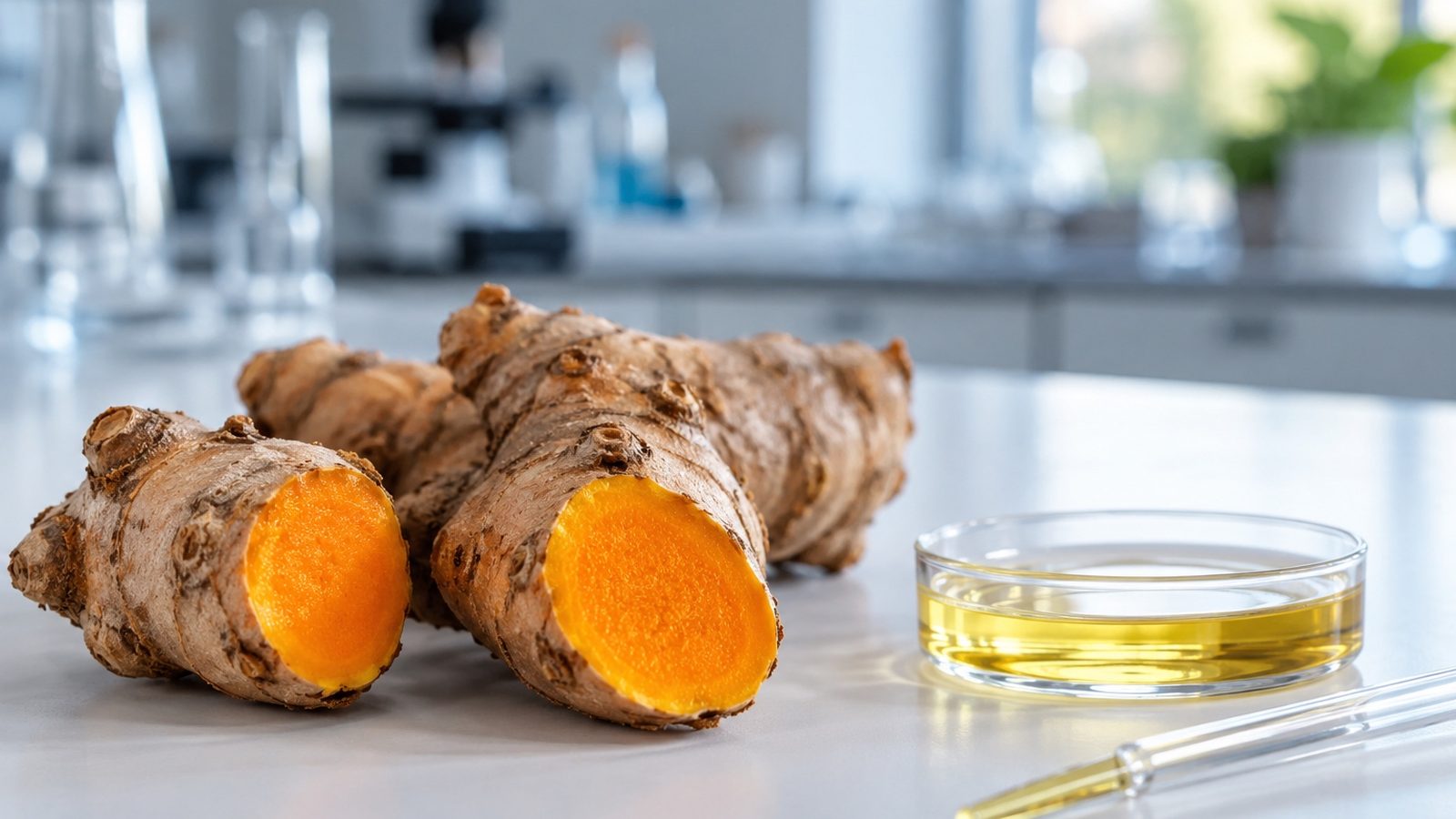
Elemene is a compound from Curcuma plants, studied in cancer cells and used in China as an add-on. The trials are low quality, so benefit remains unproven.