

GLP-1 Medications and Cancer: Could the Weight-Loss Revolution Also Become a Cancer Breakthrough?
Educational research summary, not medical advice. Talk with your oncologist and pharmacist before starting, stopping or changing any treatment or supplement.
Your Family History Isn't Your Destiny—But It Is a Warning
Both of my parents struggled with obesity and diabetes. Looking further back in my family tree, I noticed a striking pattern: My obese relatives died in their 60s or 70s of diabetes-related complications such as strokes, heart disease, and kidney failure. The skinny ones lived into their 90s and died from dementia or Parkinsons.
And my family's experience wasn't unusual. An analysis of Framingham Heart Study data found that obesity at age 40 was associated with approximately six to seven fewer years of life expectancy. Even being merely overweight was associated with losing about three years. [1]
If you have a family history of type 2 diabetes, carrying excess body weight increases your risk even further. And it doesn't take an additional 50 or 100 pounds to precipitate devastating health crises down the road.
Even being 10 pounds above my ideal body weight increases my risk of my parents' and grandparents' diseases. With my family history, those are ten pounds I'd rather not carry around.
It's one of the things that keeps me in the gym. I don't want diabetes… ever! The genetic deck is already stacked against me. Now, I need to pick the lifestyle that's going to keep me thin, and keep working till I get to my ideal body weight—the temptation of donuts notwithstanding.
As a preacher in conservative churches for most of my life, it was a subject I often addressed from behind the pulpit. The Pentecostals might condemn smoking tobacco as a sin while comfortably carrying a life-shortening 30 extra pounds, apparently overlooking Jesus' warning about the plank in their own eye (Matthew 7:1–5). “First,” Jesus said, “take the plank out of your own eye, and then you'll see clearly to remove the speck from your brother's eye.”

According to the CDC, 40.3% of American adults are considered obese, while another 32.1% are classified as “overweight.” And 9.4% of American adults fall into the category of severe obesity. That's nearly three out of every four adults carrying excess weight! [10]
Even children are suffering from this national ailment. According to the latest CDC estimates, 15.1% of American children and adolescents are overweight, while another 21.1% are obese. More than one in three kids are already carrying excess weight! [11]
That's a lot of specks and planks!
If you have a family history of a disease made worse by obesity, you may not be able to change your genes, but you can certainly do something about one of the biggest risk factors.
GLP-1 medications can produce tremendous weight loss, and as generics become available and prices fall, they're becoming more accessible to ordinary Americans. You may want to try it the natural way, and that's great. But if I want to go to Key West on vacation, I don't want to go the natural way… that's a month and a half of walking. I want to get there fast by jet, and enjoy the sunshine and salt by 9 a.m. tomorrow morning.
The list of diseases associated with obesity is as long as your arm. But what shocked me most was discovering that obesity increases the risk of developing at least 13 different types of cancer!
My Niche in Family Medicine
I wasn't your ordinary family doctor. Over the years, I developed a few unusual niches that brought patients to my practice who often struggled to find a physician willing to hear them out. Most prominently, I was perfectly comfortable taking care of non-vaccinating families. That brought a lot of fellow home-schoolers and hippies to my office, many of whom had been turned away by other pediatric practices.

The kind of educational content I provide for Verity Health Institute’s social media pages. To view, copy & paste this URL in your browser: https://tinyurl.com/PomPromQueen
I was also a fan of research-based supplements and herbs. Regardless of the impressive medical research demonstrating that certain supplements help particular diseases, there's often little financial incentive to pursue FDA drug approval. What pharmaceutical investor wants to fund a multimillion-dollar clinical trial if they cannot patent it afterward, leaving little opportunity to recover that investment? Some of the most interesting research on supplements comes from countries like China, which has a financial incentive to keep remedies inexpensive. So they devote substantial resources to studying traditional medicines and inexpensive, over-the-counter therapeutic compounds. In Western oncology research, many supplement studies investigate whether adding these compounds to chemotherapy, radiation, immunotherapy, or surgery can improve outcomes or reduce treatment-related side effects. Researchers have good reason to investigate whether inexpensive supplements can improve the effectiveness or tolerability of conventional cancer treatments—especially in oncology, where treatment-related toxicity can be such a problem.
I also took symptoms of testosterone deficiency seriously. A testosterone result near the bottom of a laboratory's reference range wasn't, to me, a reason to dismiss a man's complaints. It was a reason to investigate further. Patients are people, not laboratory printouts. And in my experience, if you took a man from the middle third range (a target recommended by the American Urological Association) to the upper third, his symptoms and his muscle-body fat ratio improved considerably with no significant increase in side effects.
Lastly, I've always been willing to prescribe medications “off-label”—meaning for conditions outside their FDA-approved indications—when I believe the medical evidence and my patient's circumstances support that decision. During the pandemic, I prescribed thousands of courses of ivermectin for patients because I was convinced by the worldwide data that it was far more beneficial than risky. FDA approval matters, but it doesn't replace a physician's responsibility to evaluate the evidence and exercise sound clinical judgment in the best interests of the patient.
Another niche I always felt called to speak up about publicly is obesity, and the preventable nature of the host of diseases associated with it. Obesity is not just cosmetic. It's a dangerous, multifactorial illness, influenced by genetics, metabolism, environment, and lifestyle. By far, the most significant factor is personal choice to consistently consume more calories than we burn. While we can't change every factor, there is a great deal we can do about some of them. We wouldn't shrug off someone smoking two packs a day. Why are we so comfortable shrugging off obesity?
Now that extensive medical research has established obesity as a risk factor for at least 13 kinds of cancer, I'm more passionate about addressing it than ever.
As a family physician for 27 years, I witnessed the consequences of obesity and diabetes in thousands of patients. So, when medications emerged that could substantially improve blood sugar control while helping people lose significant amounts of weight, they got my attention.
The Rise of the GLP-1s
When the first GLP-1 came to market—Byetta—I prescribed it for its original FDA-approved indication: type 2 diabetes. When oral medications no longer controlled a patient's glucose, and an injectable medication was needed, Byetta—and then the more recent, more effective GLP-1 semaglutide—became my go-to for appropriate patients. Compared with starting insulin, it offered a much lower risk of hypoglycemia and often helped them lose weight rather than gain it. But something interesting was happening to many of those diabetic patients. They were losing weight. Sometimes a remarkable amount of weight.
Fred was 78 and still driving his tractor around his farm. He'd carried about 40 extra pounds for most of his life. His wife was Sally, and she was also obese and a diet-controlled diabetic. Fred was a strong, tall farmer who carried his extra weight well. His overalls mostly concealed his protuberant beer belly. We always kept his diabetes controlled with oral medications, but one day he came in with a very high HbA1c (a blood test that reflects average glucose levels over the preceding two to three months). It was time for the insulin discussion.

He flatly refused. “Nope! My momma died because insulin dropped her sugar too much and I swore I'd never go on it!”
He said he'd work harder on his diet and try walking after dinner. Three months later, his diabetes was still uncontrolled.
I discussed semaglutide with him and offered him some samples. I reassured him that semaglutide, on its own, carried a much lower risk of dropping his blood sugar too far compared to insulin. We'd still need to monitor his glucose carefully alongside his other diabetes pills. And the needle? Real tiny. I told him that getting his diabetes under control could help lower his risk of so many disasters, including kidney failure, heart attack, and stroke. Those risks are considerably higher when diabetes remains uncontrolled. He agreed to give it a try.
In just three months, he was 20 pounds lighter. His blood sugar was running too low, so I discontinued one of his three oral diabetes medications. Within a year, not only was he not on his diabetes pills anymore, he wasn't diabetic anymore! The last drug I was able to stop safely was his semaglutide.
Finally, a drug that makes itself obsolete! If he could keep his weight off, I told him, he may not need it again.
(It's so much easier to stay in Key West after you've gotten there by plane, than to walk there naturally.)
Eventually, 1,961 Freds and Sallys participated in a study that earned semaglutide an FDA indication for “chronic weight management.”
Today, GLP-1 medications have become household names. Ozempic, Wegovy, and related medications have transformed the conversation surrounding obesity, diabetes, and weight management. (There’s even a so-called “GLP-3” being studied now. A formerly obese patient of mine, who had previously taken a GLP-1 medication, later obtained the GLP-3 product retatrutide and described an incredible difference between the two, particularly in his weight-loss experience and his muscle retention. That's one patient's experience, not a clinical trial, but it certainly got my attention!)
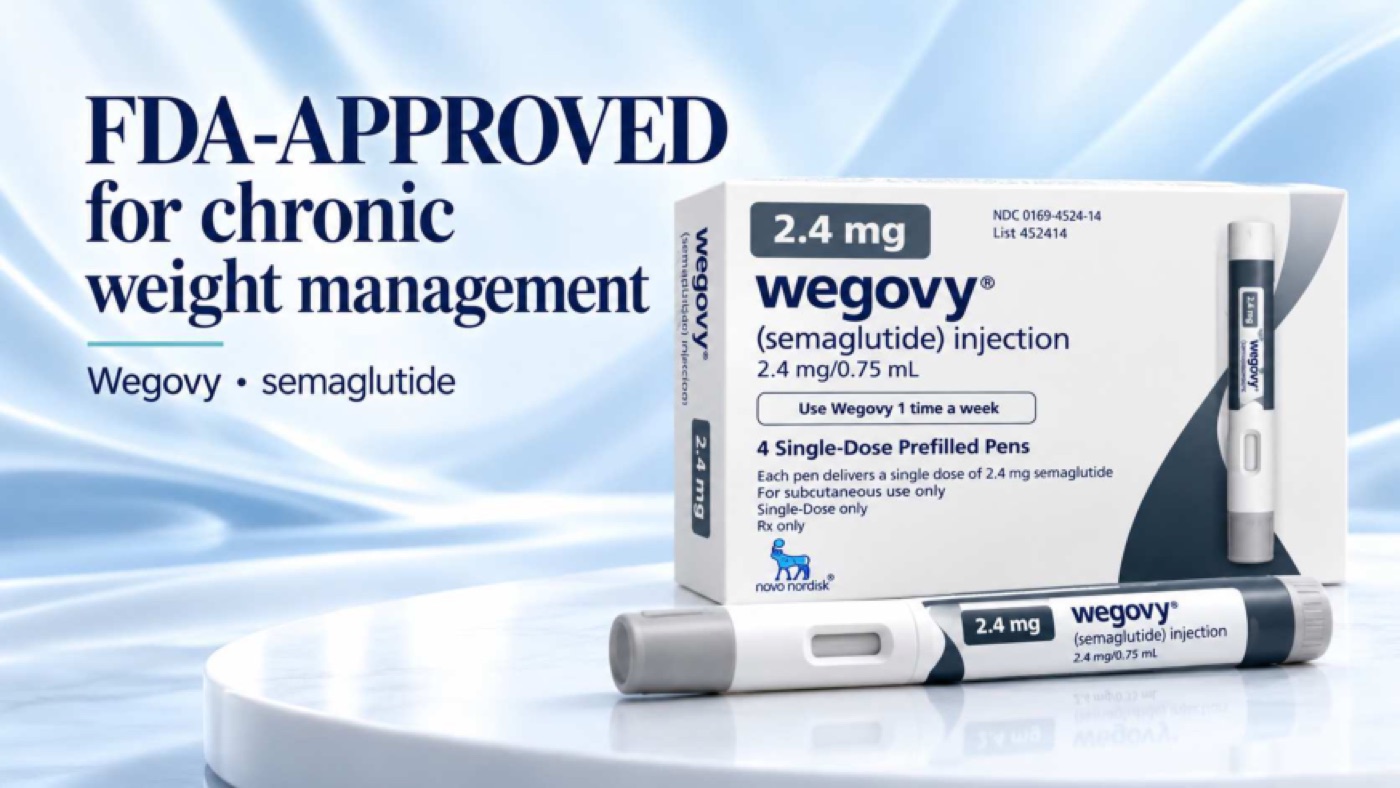
Looking at GLP-1s and cancer, I wonder whether cancer prevention might eventually join their growing list of FDA-approved indications.
I'm ashamed of the average doctor's neglect to treat patients' obesity seriously. With the new research firmly establishing the increased cancer risk with obesity, maybe that will change.
Obesity & Cancer
So, which 13 cancers are associated with obesity?
- Colorectal cancer
- Pancreatic cancer
- Liver cancer
- Kidney cancer (renal cell)
- Endometrial cancer
- Esophageal adenocarcinoma
- Gallbladder cancer
- Thyroid cancer
- Postmenopausal breast cancer
- Gastric cardia cancer (upper stomach)
- Ovarian cancer
- Multiple myeloma
- Meningioma (a tumor arising from the membranes surrounding the brain and spinal cord)
These cancers account for 40% of all cancers diagnosed annually in the United States! [9]
Why?
Because excess body fat isn't simply an inconvenient collection of stored calories. Adipose tissue is biologically active.
It influences insulin levels, hormone production, inflammatory signaling, and immune function. Excess body fat doesn't just change the way we look in the mirror. It can change the biochemical environment in which cancer develops.
And that brings us to a fascinating question.
If obesity increases cancer risk, could medications that successfully treat obesity also reduce the likelihood of developing cancer?
The emerging human evidence suggests that they might. Indeed, sustained weight loss—whether achieved through lifestyle changes, medication, or surgery—may help reduce the risk of developing certain obesity-associated cancers.
But the research has raised another possibility—one that surprised me.
The Little Intestinal Hormone That Became a Pharmaceutical Celebrity
GLP-1 stands for glucagon-like peptide-1, a hormone naturally released by our intestines after eating. Among its functions, GLP-1 stimulates insulin secretion when blood sugar is elevated, reduces inappropriate glucagon secretion, slows gastric emptying, and influences appetite-regulating centers in the brain.
Pharmaceutical researchers developed medications that mimic this hormone, producing effects that last considerably longer than our naturally occurring GLP-1.
In the 68-week STEP 1 clinical trial involving 1,961 adults, participants receiving semaglutide lost an average of 14.9% of their body weight, compared with just 2.4% among those receiving a placebo. [2] Tirzepatide, a related medication that acts on both GLP-1 and GIP receptors, produced average weight reductions ranging from approximately 15% to 20.9% over 72 weeks in SURMOUNT-1, depending on dose. [3]
For someone weighing 250 pounds, a 15% reduction represents 37.5 pounds—not exactly pocket change!
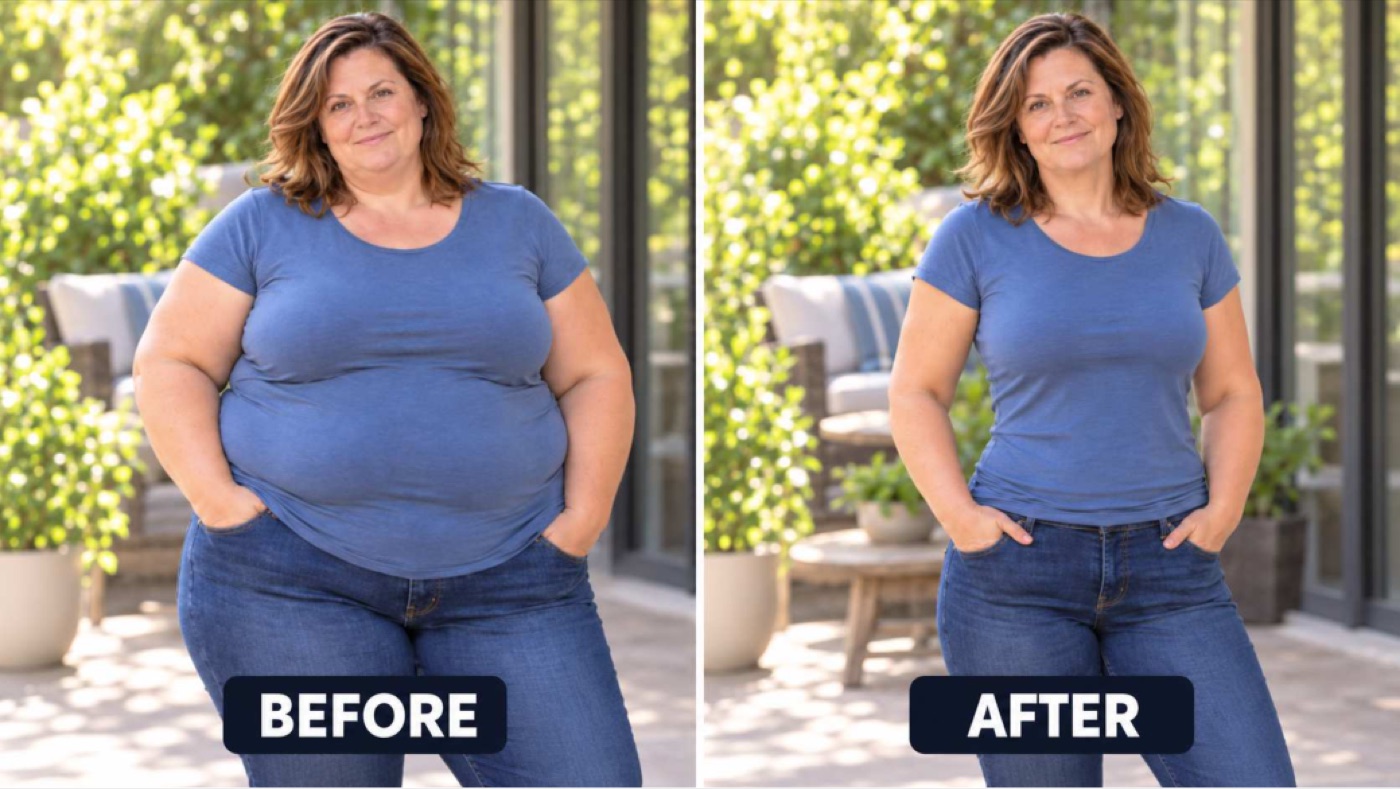
“Before” and “After” images took the internet by storm, but the focus was always cosmetic. Naturally, physicians were more impressed by the health benefits.
Researchers began investigating whether these transformations might translate into reductions in obesity-associated cancers.
What they discovered was difficult to ignore.
A Study of 1.65 Million People: Significantly Lower Risk for Ten Cancers
In July 2024, researchers published a remarkable study in JAMA Network Open involving 1,651,452 patients with type 2 diabetes.
They examined whether patients receiving GLP-1 medications developed obesity-associated cancers less frequently than patients treated with insulin or metformin.
Compared with insulin, GLP-1 treatment was associated with a statistically significant reduction in the risk of 10 of the 13 cancers examined. [4]
The relative reductions were substantial:
| Cancer | Lower relative risk |
|---|---|
| Gallbladder | 65% |
| Meningioma | 63% |
| Pancreatic | 59% |
| Liver | 53% |
| Ovarian | 48% |
| Colorectal | 46% |
| Multiple myeloma | 41% |
| Esophageal | 40% |
| Endometrial | 26% |
| Kidney | 24% |
These percentages represent relative differences in the study's statistical risk estimates, not absolute reductions in an individual's probability of developing cancer. Even so, the results are statistically striking!
Now, before we start putting semaglutide in the drinking water, there's an important qualification.
The study was observational, not a randomized clinical trial. As impressive as its size was, it couldn't establish that GLP-1 medications actually prevent cancer. That question requires rigorous, prospective clinical trials designed specifically to measure cancer outcomes.
Nevertheless, finding lower risks across ten different cancer types in an analysis of more than 1.6 million patients certainly deserves further investigation.
And that's precisely what happened.
Another 86,632 Patients. Another Encouraging Finding.
In August 2025, JAMA Oncology published another study examining GLP-1 medications and cancer incidence.
This time, researchers analyzed 86,632 adults who were overweight or obese—43,317 receiving GLP-1 medications and 43,315 nonusers. Participants included people both with and without type 2 diabetes.
Unlike the CDC's standard list of 13 obesity-associated cancers, this study examined 14 cancer outcomes, including lung cancer. The combined cancer incidence was:
GLP-1 users: 13.6 cases per 1,000 person-years.
Nonusers: 16.4 cases per 1,000 person-years.
(A thousand person-years could represent following 1,000 patients for one year, or 500 patients for two years. It's how researchers account for differences in how long participants are followed.)
That represented approximately a 17% lower overall cancer incidence rate among GLP-1 users. [5]
The investigators also identified statistically significant associations for three individual tumor types:
- Endometrial cancer—25% lower relative risk
- Ovarian cancer—47% lower relative risk
- Meningioma—31% lower relative risk
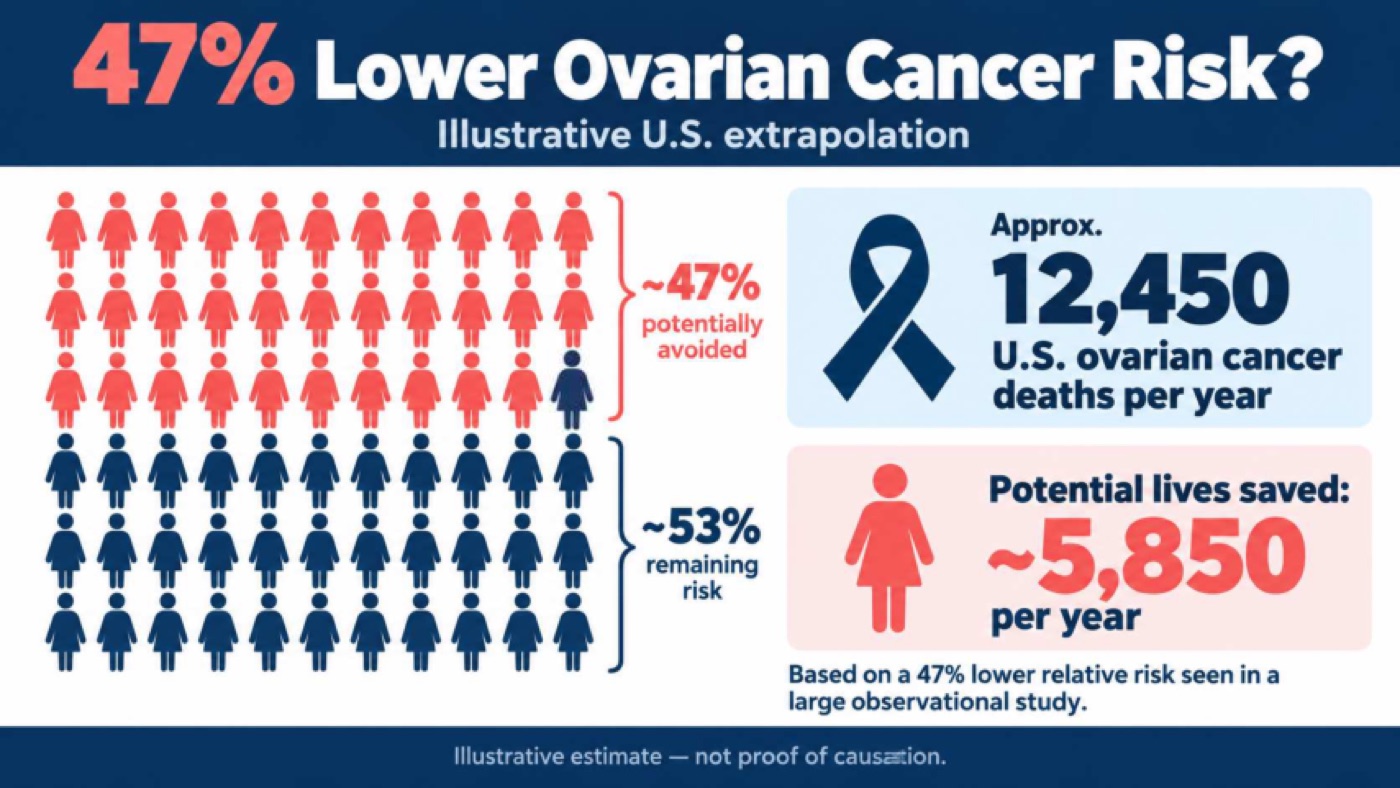
Now we had two enormous human studies pointing in the same direction: GLP-1 therapy was associated with a lower incidence of cancer.
But were these medications doing anything beyond helping people lose weight? If a patient lost weight by any means, would they get the same reduction? Or were the GLP-1s doing something special to prevent cancer beyond weight loss?
The Surprising 41% Finding
A 2025 study published in eClinicalMedicine approached the question differently. Interestingly, this study involved earlier GLP-1 medications—including exenatide, liraglutide, and dulaglutide—not semaglutide or tirzepatide. Instead of comparing GLP-1 users with patients taking another diabetic medication, investigators compared GLP-1 therapy with bariatric surgery.
They examined 6,356 patients with obesity and diabetes, and followed them for about 7.5 years.
The patients who underwent bariatric surgery lost more weight than those taking GLP-1s. Yet, remarkably, cancer incidence was similar between the two groups. When researchers statistically accounted for the difference in weight loss, they estimated that GLP-1 therapy was associated with a 41% relative reduction in obesity-related cancer risk through pathways potentially independent of weight loss itself. [6]
A second observational study published in 2026 provided further support for this possibility. Researchers examined a large database containing 662,013 GLP-1 users, 272,343 bariatric surgery patients, and 158,446 patients receiving other weight-loss medications. They discovered that patients receiving therapeutic doses of GLP-1 medications had a 28% lower relative risk of colorectal cancer and a 37% lower relative risk of pancreatic cancer compared with bariatric surgery patients. [8]
Comparing the potential side effect profile of a GLP-1 versus bariatric surgery is like comparing a car accident in a motorcycle going 70 mph on the interstate with an accident going 35 mph buckled into the backseat of a Lincoln Navigator. I have witnessed devastating negative consequences from bariatric surgery, but rarely saw anything but nausea in a patient on a GLP-1. “First, do no harm” favors GLP-1s by a long shot in my estimation. When you take the expense into consideration, and now with these findings showing the cancer reductions with GLP-1s, it’s not even a question which option is superior for the vast number of obese patients.
Together, these research findings raise a fascinating possibility: Could GLP-1 medications influence cancer-related biological processes in ways that extend beyond reducing the number on the bathroom scale?
To investigate that possibility, we need to leave the epidemiology department for a moment and visit the laboratory.
Your Immune System Has Its Own Special Forces
One of the body's important defenses against cancer involves natural killer cells. These specialized immune cells patrol our bodies, identifying and destroying certain abnormal cells, including cells displaying features associated with malignancy.
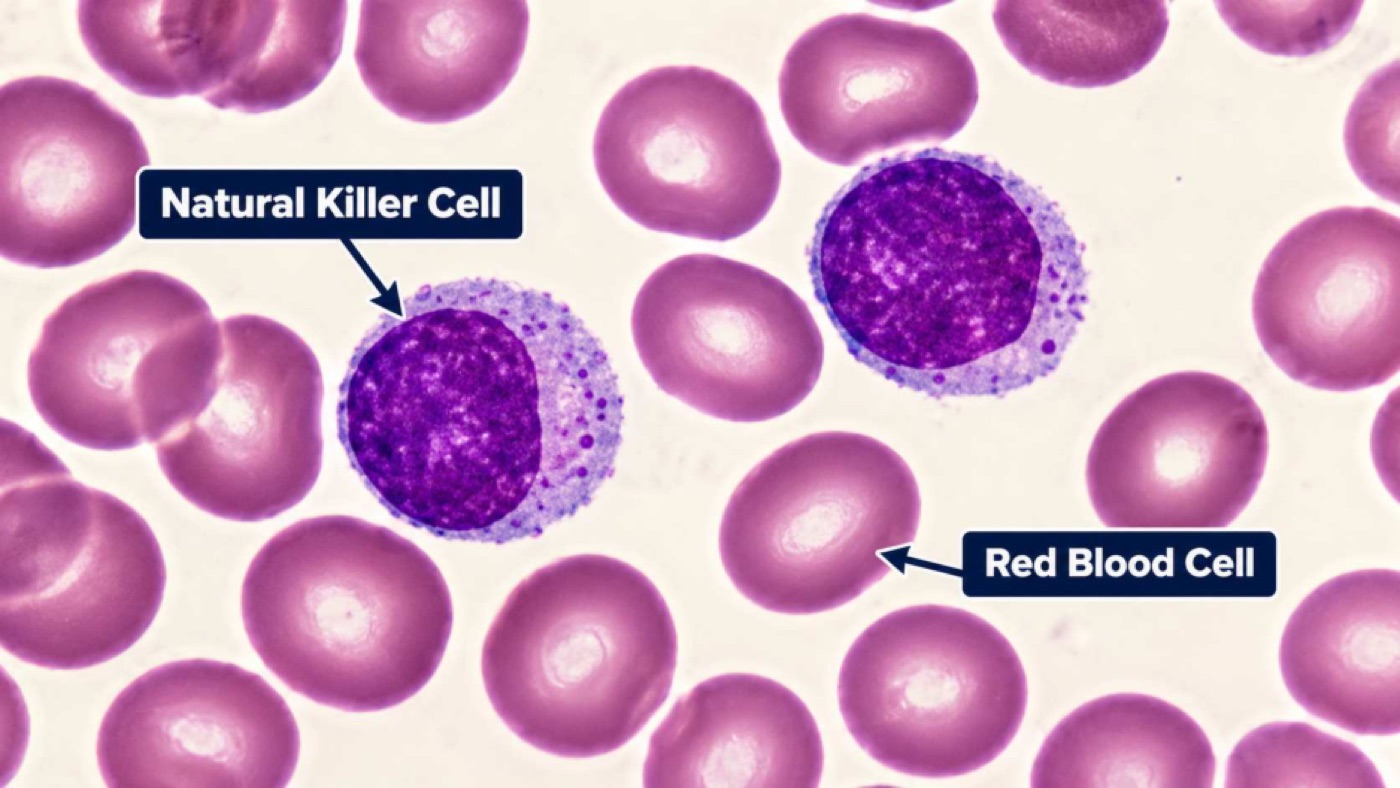
Think of them as a biological security team.
They don't need to wait for someone to file a police report before investigating suspicious activity. There are tens of billions of them patrolling you right now, looking for villains.
Unfortunately, obesity can interfere with natural-killer-cell metabolism and function, potentially compromising their ability to destroy abnormal cells.
In 2023, researchers published a study in the journal Obesity investigating whether GLP-1 therapy could improve natural killer cell function.
Twenty adults with obesity—but without type 2 diabetes—received six months of semaglutide.
In this small before-and-after study, investigators observed statistically significant improvements in natural killer cell metabolic activity and their ability to destroy target cells in laboratory testing. [7] These immune cells weren't necessarily becoming more numerous. They were becoming better at their jobs! Ordinary Army grunts were becoming Special Forces commandos!
Interestingly, only nine of the 20 participants lost more than 5% of their body weight. Yet the improvements in natural killer cell function appeared to occur independently of weight loss. In other words, the Special Forces training didn't necessarily depend on shedding the extra pounds.
And their targets weren't imaginary villains. In the laboratory, researchers tested these natural killer cells against a human leukemia cell line and found that their killing ability had improved.
The researchers also conducted laboratory investigations examining how GLP-1 exposure affected these immune cells. Those experiments supported the possibility of direct cellular effects, rather than effects explained exclusively by losing body weight.
What this small study suggested was certainly worth investigating further: GLP-1 therapy may influence immune functions involved in our body's defenses against malignant cells.
When a small study like this points in the same direction as large human population studies, I pay attention.
So, Should We Start Prescribing GLP-1 Medications to Prevent Cancer?
Not so fast.
As encouraging as these studies are, several important questions remain unanswered.
First, the strongest human findings are largely observational. Researchers can carefully match patients and adjust for known differences, but they cannot eliminate every possible confounding variable.
Second, the medications themselves have risks. Gastrointestinal side effects are common, and more serious complications can occur. Their prescribing information includes important contraindications and warnings, including restrictions involving personal or family history of medullary thyroid carcinoma or multiple endocrine neoplasia syndrome type 2. [12]
Third, preventing cancer is not the same as treating cancer. These studies primarily examined whether people developed cancer—not whether GLP-1 medications could successfully treat patients who already had it.
These observational studies alone aren't sufficient to establish cancer prevention as an FDA-approved indication for GLP-1 medications. However, for someone who already meets established medical indications for obesity or diabetes treatment, the emerging cancer research offers another compelling reason to discuss these medications with their physician.
What I Believe This Research Is Telling Us
After 27 years in family medicine, I have developed a particular appreciation for treatments that address underlying metabolic problems rather than simply managing their downstream consequences. My philosophy has always been simple: If a knife is causing the pain and bleeding, rather than prescribing pain medicine and blood transfusions, let's remove the knife and cauterize the bleeding vessels. Right? In my mind, root causes deserve the spotlight.
Obesity leaves so many downstream disasters in its wake—diabetes, hypertension, heart disease, stroke, and at least 13 obesity-associated cancers—that addressing it may be one of the most consequential things we can do to save lives. Imagine the lives we could save by treating obesity before those downstream diseases develop.
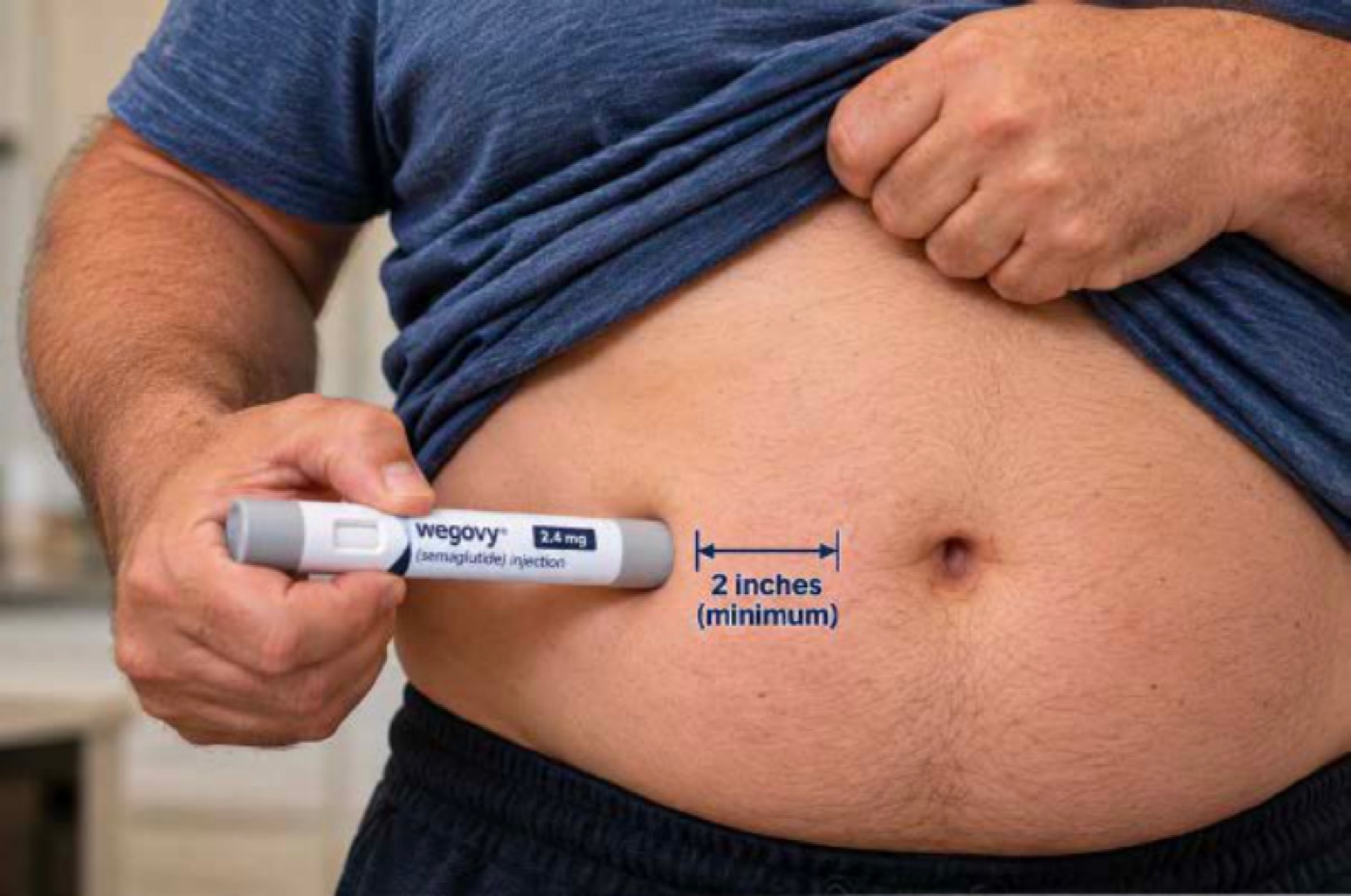
Now, large observational studies are suggesting that GLP-1 medications may be associated with lower rates of several obesity-related cancers—and, intriguingly, that some of those benefits may extend beyond weight loss alone.
Laboratory research is beginning to suggest how that might happen.
I find that encouraging.
Not because I believe we've discovered a cancer cure. We haven't. But because one of the most consequential pharmaceutical developments in diabetes and obesity treatment may eventually contribute to another enormously important area of medicine: cancer prevention.
When I first prescribed semaglutide, my goal was to help diabetic patients control their blood sugar. Then they began losing substantial amounts of weight, and suddenly the possibilities became even more interesting. After all, obesity is one of the most consequential—and modifiable—drivers of type 2 diabetes.
I certainly wasn't thinking about natural killer cells and pancreatic cancer at the time.
But that's one of the things I've always loved about medicine.
Sometimes a treatment developed for one problem opens an entirely unexpected door.
And sometimes the most life-saving discovery is waiting behind that second door.
The research is still evolving. But this is one door I believe deserves to remain wide open.
About Verity Health Institute
The mission of the Verity Health Institute is to bring overlooked medical research out of scientific journals and into physician-patient conversations where it might help someone suffering from cancer.
Our free research consultations examine published evidence relevant to an individual's particular cancer diagnosis, including investigational supplements, repurposed generic medications, potential interactions, and questions worth discussing with the patient's treating physicians.
To request a free cancer research consultation:
VerityHealthInstitute.com/book
That commitment to looking beyond a standard protocol reflects a philosophy I've developed over decades of patient care.
Be Like Water: The Art of Individualized Medicine
Bruce Lee famously taught, “Be water, my friend.” As a purple belt in Taekwondo, I appreciate what he meant. In martial arts, we begin by learning rigid, step-by-step movements. But the goal isn't to remain trapped in those movements forever. It's to master the principles so thoroughly that we can apply them fluidly to whatever real-life confrontation comes our way. If we never graduate from memorizing the steps to actually understanding the art, we've missed the point of the training.

I believe the same principle applies to medicine, particularly when titrating medications like GLP-1s.
One prescribing mistake I frequently encountered was following the clinical trial dosing schedule too rigidly. The dose increased in sizable steps, and everything went swimmingly—until a patient suddenly developed significant gastrointestinal distress at the next dose. I'd lower it to the previous dose, the symptoms would settle down, and we'd leave it there due to a fear of titrating again. Unfortunately, sometimes the weight loss plateaued, even though that patient was still 50 or 100 pounds overweight.
I began questioning whether a dosing schedule designed to standardize a human trial was necessarily the best approach for every individual patient. In my clinical experience, a gentler, more gradual upward slope—adjusting the pace of escalation according to the patient's response and tolerability—sometimes allowed patients to reach a more effective dose without encountering the same nausea or dyspepsia. And I found that I could often get them considerably closer to their weight-loss goals.
Clinical trials require standardized protocols. Trials that earn FDA-approval require enormous amounts of money which no investor will put into a supplement that’s over-the-counter or a generic, repurposed drug. Doctors tend to be rigid and rule-worshiping, unwilling to think outside the box. Especially the “non-FDA-approved” box. But patients aren't standardized. Patient’s don’t care about FDA-approval and pharmaceutical investments. They just want to get better. Reality requires doctors to “Be like water” and think outside the “FDA-approved-box” if they want to maximize their patients’ health.
Personalized Health Coaching with Dr. J.P. Johnston
That philosophy doesn't end with cancer care.
Drawing on 27 years of “think-outside-the-box” family medicine experience, I also offer an independent, personalized Health Coaching and medical research service for people facing a wide range of health concerns—not just cancer.
If you're interested in working with me personally, book a free call at:
VerityHealthInstitute.com/book
Medical disclosure: I am a retired family practice physician. This article is provided for educational purposes and does not constitute medical advice. GLP-1 medications should be prescribed and monitored by an appropriately licensed clinician. They are not established cancer treatments or approved specifically for cancer prevention.
Yet.
But I'm optimistic.
References
[1] Peeters A, Barendregt JJ, Willekens F, et al. Obesity in Adulthood and Its Consequences for Life Expectancy: A Life-Table Analysis. Annals of Internal Medicine. 2003;138(1):24–32. https://doi.org/10.7326/0003-4819-138-1-200301070-00008
[2] Wilding JPH, Batterham RL, Calanna S, et al. Once-Weekly Semaglutide in Adults with Overweight or Obesity. New England Journal of Medicine. 2021;384(11):989–1002. https://doi.org/10.1056/NEJMoa2032183
[3] Jastreboff AM, Aronne LJ, Ahmad NN, et al. Tirzepatide Once Weekly for the Treatment of Obesity. New England Journal of Medicine. 2022;387(3):205–216. https://doi.org/10.1056/NEJMoa2206038
[4] Wang L, Xu R, Kaelber DC, Berger NA. Glucagon-Like Peptide 1 Receptor Agonists and 13 Obesity-Associated Cancers in Patients With Type 2 Diabetes. JAMA Network Open. 2024;7(7):e2421305. https://doi.org/10.1001/jamanetworkopen.2024.21305
[5] Dai H, Li Y, Lee YA, et al. GLP-1 Receptor Agonists and Cancer Risk in Adults With Obesity. JAMA Oncology. 2025;11(10):1186–1193. https://doi.org/10.1001/jamaoncol.2025.2681
[6] Wolff Sagy Y, et al. Glucagon-like peptide-1 receptor agonists compared with bariatric metabolic surgery and the risk of obesity-related cancer: An observational, retrospective cohort study. eClinicalMedicine. 2025;83:103213. https://doi.org/10.1016/j.eclinm.2025.103213
[7] De Barra C, Khalil M, Mat A, et al. Glucagon-like peptide-1 therapy in people with obesity restores natural killer cell metabolism and effector function. Obesity. 2023;31(7):1787–1797. https://doi.org/10.1002/oby.23772
[8] Bitar ER, Besir K, Cummins KC, et al. Cancer Risk of Glucagon-Like Peptide-1 Receptor Agonists for Obesity: Comparison With Bariatric Surgery and Other Weight-Loss Drugs. Journal of Gastrointestinal Surgery. 2026;30(9):102497. https://doi.org/10.1016/j.gassur.2026.102497
[9] Steele CB, Thomas CC, Henley SJ, et al. Vital Signs: Trends in Incidence of Cancers Associated with Overweight and Obesity—United States, 2005–2014. MMWR Morbidity and Mortality Weekly Report. 2017;66(39):1052–1058. https://doi.org/10.15585/mmwr.mm6639e1
[10] Fryar CD, Afful J, Saif NT. Prevalence of Overweight, Obesity, and Severe Obesity Among Adults Age 20 and Older: United States, 1960–1962 Through August 2021–August 2023. NCHS Health E-Stat 111. February 2026. https://www.cdc.gov/nchs/data/hestat/hestat111.htm
[11] Noiman A, Fryar CD, Saif NT, Afful J. Prevalence of Overweight, Obesity, and Severe Obesity Among Children and Adolescents Ages 2–19 Years: United States, 1963–1965 Through August 2021–August 2023. NCHS Health E-Stat 112. February 2026. https://www.cdc.gov/nchs/data/hestat/hestat112.htm
[12] Novo Nordisk. Wegovy (semaglutide). U.S. Prescribing Information. Revised June 2026. https://dailymed.nlm.nih.gov/dailymed/drugInfo.cfm?setid=ee06186f-2aa3-4990-a760-757579d8f77b