
The Top Ten Supplements I Would Take If I Had Cancer
Educational research summary, not medical advice. Talk with your oncologist and pharmacist before starting, stopping or changing any treatment or supplement.
The mission of the Verity Health Institute is to bring overlooked medical research out of the journals and into conversations where it might help someone. There is a substantial body of cancer research on over-the-counter supplements, herbs, medicinal mushrooms, and repurposed generic drugs: medicines developed for one condition that researchers investigate for another.
Some studies report meaningful benefits in human trials; others offer promising clues from animals or laboratory experiments. Patients may never hear about these findings when a product lacks approval for a cancer indication and sits outside routine oncology practice. Research deserves a fair hearing, even when it comes without a marketing campaign.
This article is based on medical evidence, but it is not medical advice or a substitute for cancer treatment. Cancer is a family of diseases, and an encouraging study result for one type of cancer may tell us nothing about another. The preparation, dose, route, and other treatments matter.
That is why we offer free research consultations at Verity Health Research Institute: to examine the evidence for a person's particular cancer, research interactions with the patient’s medicine list, and prepare information to discuss with their family and treating physicians. Supplements and repurposed generic drugs can have side effects and interact with cancer medicines, so these should not be taken lightly.
There are over 130 supplements and repurposed generic drugs with medical evidence for cancer. In creating my top ten list, I give the greatest weight to well-designed human trials, followed by animal studies and laboratory research. Where human trials are absent, the ordering reflects my judgment about the strength and consistency of the preclinical evidence.
Money helps explain why some promising ideas never reach the trials needed for approval. FDA approval requires evidence of safety and effectiveness in large human trials, and producing that evidence costs lots of money. The National Institutes of Health puts the problem plainly: “companies have little financial incentive to invest in finding new therapeutic uses for existing drugs.” (The same applies to over-the-counter supplements.)
That’s why some of the best research evidence for over-the-counter remedies comes from socialist countries whose governments have a financial incentive to keep therapies inexpensive. In the West, it’s not science ultimately, but profit that determines what drug gets the large human studies to merit FDA approval.
Consider mebendazole, a decades-old antiparasitic medicine: Johns Hopkins University received a U.S. patent in September 2021 for mebendazole in brain cancer, but only a particular crystal-form formulation called Form C. Form C, however, is just mebendazole once dissolved and absorbed. The new patented formulation of this old drug can make this more attractive to investors and hopefully will one day result in a sufficiently large human trial to merit FDA approval for glioblastoma.
But if you have cancer, do you care if it’s in powder form or crystallized form? No, that is more related to the profit margin of the company marketing the new patented formulation of the old drug. Economics—not just science—helps explain which questions get studied in large, randomized, placebo-controlled, human trials in the first place. [1–3]
If over-the-counter remedies and repurposed drugs are investigated in large studies in the West, it’s almost always alongside a patented drug. Pharmaceutical companies are always looking for inexpensive ways to make their patented drugs less toxic and more effective. Some of the best studies for supplements and repurposed, generic drugs are studies comparing it with chemotherapy versus chemotherapy alone.
These are the reasons I give more attention to the medical evidence for supplements and repurposed drugs in spite of the smaller human trials and lack of FDA approval. Science should dictate what doctors recommend to patients—not money and marketing. Lives are at stake.
Are any of the supplements in my Top Ten list FDA-approved for the purpose compatible with the medical research for cancer? No… and they are unlikely to ever be FDA-approved, regardless of the preclinical and clinical evidence.
With that in mind, these are the supplements I would put on my shortlist if I had cancer. In reality, my particular type of cancer would determine which ones belonged on my personal list, because several strong pieces of research are specific for certain kinds of cancer, whereas the evidence is non-existent for that supplement for other cancers. To keep this article practical for the public, all the supplements in this list have evidence against multiple types of cancer.
1. Medicinal Mushrooms
Mushrooms have a surprisingly long medical résumé. Ötzi the Iceman carried pieces of birch polypore mushrooms on his belt, likely for medicinal purposes. Apparently, the portable mushroom kit predates the portable phone.
Don’t think of medicinal mushrooms as a one-size-fits-all remedy. The preclinical data of various species of mushrooms have led them down different paths targeting different kinds of cancers. If I had cancer, I would consume the mushroom extract from the species that actually had evidence for the kind of cancer I had. These eight medicinal mushrooms are arranged in order of the strength of the medical research, not specifically for the kind of cancer one has.
First comes turkey-tail-derived Polysaccharide K (PSK), a purified extract. In a randomized trial of 205 colorectal-cancer patients, 73% receiving PSK plus chemotherapy were alive without recurrence five years later, compared with 58.8% receiving chemotherapy alone. That’s a 24.2 percent relative improvement due to PSK. Considering 55,000 Americans die annually from colorectal cancer, that’s a lot of lives saved potentially with PSK.
Second is Huaier, a Chinese medical mushroom used for centuries. A trial involving 1,044 patients at 39 Chinese centers studied it after liver-cancer surgery and found its effects significantly beneficial. At 96 weeks, 62.4% of the Huaier group remained free of recurrence versus 49.1% of controls. That’s a 27.1% relative improvement in cancer-free survival due to Huaier. Huaier extracts have demonstrated anticancer activity in laboratory and animal models of liver, breast, colorectal, and lung cancers. [4–7]
Third is an extract from cultured shiitake mycelia called AHCC. Human research includes liver, pancreatic, ovarian, and primary peritoneal cancers, with findings involving postoperative outcomes, immune function, and chemotherapy-related symptoms. A 2026 conference report described longer overall survival in a randomized pancreatic-cancer trial. AHCC has shown positive findings in colorectal-cancer mouse models, including stronger responses to immunotherapy, a treatment that helps immune cells attack tumors.
Fourth is Cordyceps. A 2024 analysis pooling 12 reported randomized studies involving 928 lung-cancer patients found better tumor response and quality of life when Cordyceps preparations were added to conventional treatment. In addition to lung cancer, cordyceps extracts have demonstrated anticancer activity in laboratory and animal research involving breast and colorectal cancers, as well as leukemia.
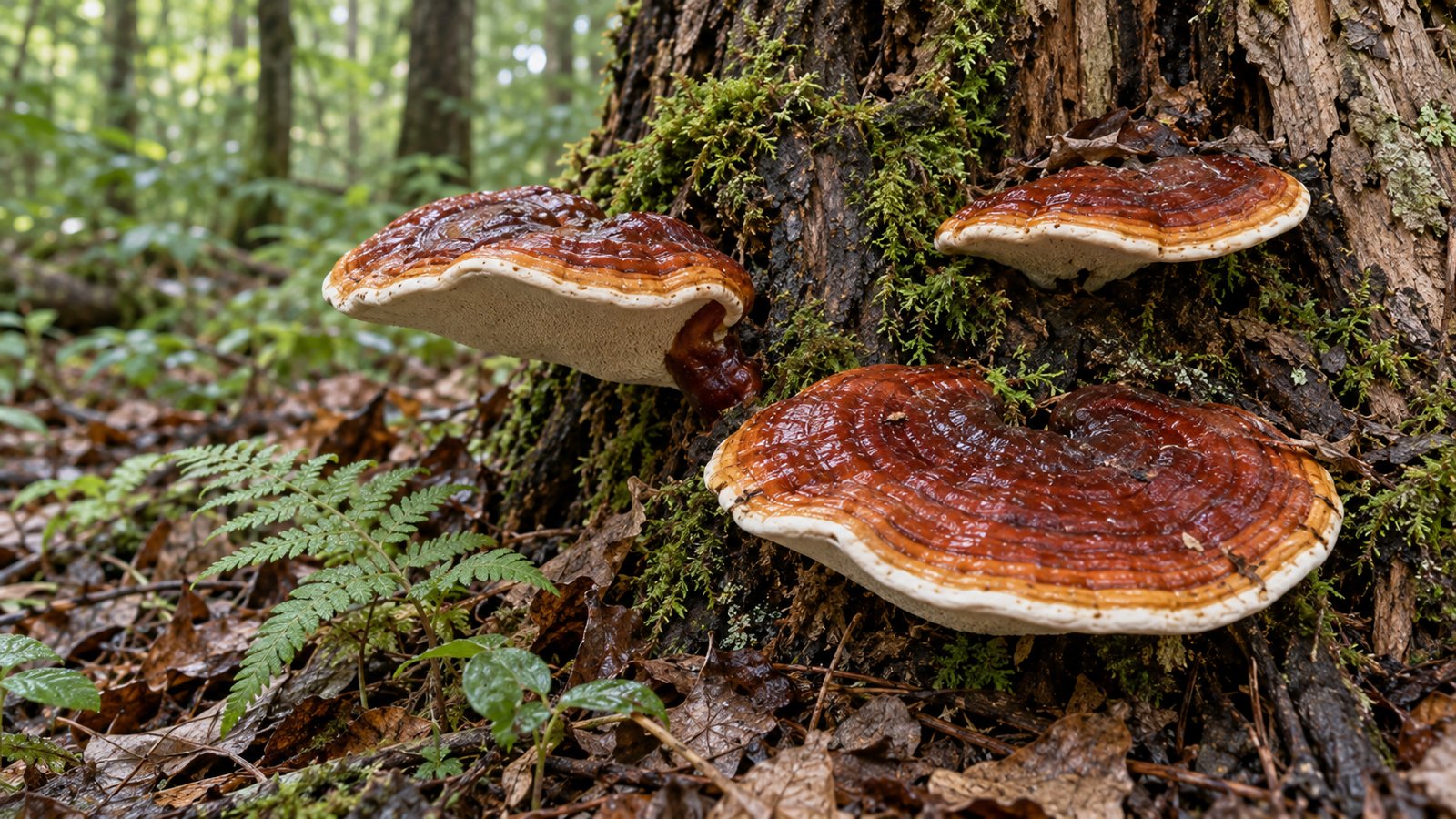
Fifth is Reishi (pictured right), whose shelf-like shape makes it look rather more like hobbit furniture than dinner. A 34-patient lung cancer study recorded positive changes in cancer-related immune activity. Additionally, Reishi extracts have demonstrated anticancer activity in laboratory and animal models of breast, prostate, and colorectal cancers. [5,8–10]
Next up is number six: Chaga. It has slowed tumor growth and reduced cancer spread in mouse experiments. Chaga has demonstrated anticancer activity in laboratory or animal models of lung cancer, colorectal cancer, melanoma, and glioma, a group of brain tumors.
Number seven is Lion’s mane—the shaggy white mushroom that actually earns its name. I have grown this mushroom in my house and it’s remarkably delicious. Never has a vegetable tasted so much like steak! I consumed it because of its anti-dementia potential (Alzheimers dementia is in my family history), not for it’s cancer benefit. Lion’s mane extracts have demonstrated anticancer activity against stomach, colorectal, and liver cancers in laboratory experiments and in mice implanted with human cancer cells.
Number eight is lentinan, an extract from shiitake mushrooms. An analysis combining five trials and 650 patients found longer survival when lentinan was added to chemotherapy for advanced stomach cancer. Lentinan has shown positive findings in colorectal-cancer laboratory and animal models and in some human studies involving stomach and lung cancers. However, since the form of lentinan studied was intravenous, not oral, it ranks last in my list of medicinal mushrooms.
If you have cancer or a personal history of cancer, or a family history of cancer, I would prepare by matching the specific mushroom extract to the specific cancer and the strength of the evidence, rather than assuming every mushroom capsule contains the same opportunity. [11–14]
(And no, hallucinogenic mushrooms didn’t make the list, ya hippies.)
2. Mebendazole
“If I have seen further it is by standing on the shoulders of giants,” Isaac Newton wrote to Robert Hooke in 1676. Drug repurposing borrows that spirit: start with an existing medicine with a long history of success, and investigate another job it might perform.
Mebendazole’s original assignment was treating parasitic worms by acting on what are called microtubules in the parasite’s biology. Cancer, it turns out, has the same microtubules, which are a scaffolding on which cancer cells divide. Mebendazole’s negative effect on microtubules in cancer cells is well-established in preclinical data. A career change can be interesting even when the résumé begins with “worm medicine,” especially when your new job is saving lives treating cancer. [33,34]
A small randomized trial of 40 patients with metastatic colorectal cancer added mebendazole or placebo to the same chemotherapy. The reported tumor-response rate was 65% with mebendazole versus 10% in the control group. The median time before progression was 9.25 versus 3 months.
Wow… Mebendazole was 55% more effective than standard chemotherapy in metastatic colorectal cancer? It tripled recurrence-free living? For a drug so safe doctors call it in for kids with pinworms? This is a striking result from a small study that deserves independent replication. One can only wonder what would have been the result if Mebendazole was prescribed years earlier.
In addition to colorectal cancer, Mebendazole has demonstrated anticancer activity in laboratory and animal models of breast, lung, pancreatic, and brain cancers, including glioblastoma and medulloblastoma, as well as melanoma.
Along with the Johns Hopkins Mebendazole formulation patent discussed earlier for glioblastoma, mebendazole illustrates why a familiar generic medicine can still generate unfamiliar research questions. [3, 34]
If you have a problem getting mebendazole from your doctor for you or your loved one’s cancer, schedule a free one-time consultation with the Verity Health Institute at VerityHealthInstitute.com/book. Maybe we can help.
3. Modified citrus pectin
“Curiouser and curiouser!” exclaimed Alice in Lewis Carroll’s Alice’s Adventures in Wonderland. Alice encounters a jar of orange marmalade on her journey, which she thoroughly enjoyed. Citrus and one of its primary elements—Vitamin C—turn up in unexpected places, including cancer research.
Modified citrus pectin doesn’t contain Vitamin C, but pectin, the substance familiar to jam makers. Apparently, the orange peel has ambitions beyond compost. [15,16]
Some of the human research concerns men whose prostate-cancer blood marker—the Prostate Specific Antigen (PSA) blood test—was rising again after treatment. There was no radiographic evidence of cancer recurrence, so the rising PSA indicated microscopic cancer recurrence. A 2003 pilot study found a longer marker-doubling PSA-time in seven of ten men evaluated for that outcome.
In a larger 2021 study, 59 men with prostate cancer took modified citrus pectin and 75 percent had a longer marker-doubling time. The group’s median PSA-doubling time increased from about 9.1 to 15.2 months—a 67 percent increase, demonstrating slowing of prostate cancer growth.
Both studies lacked a control group, so these findings are encouraging signals rather than demonstrated survival benefits. [16,17]
In addition to the human prostate trial evidence, modified citrus pectin has shown positive findings in laboratory and animal models of breast and colorectal cancers, including reduced invasion or spread in certain experiments.
4. Vitamin C
“A vitamin which makes you ill if you don’t eat it.” So quipped Albert Szent-Gyorgyi, a Hungarian physiologist and biochemist who won the 1937 Nobel Prize in Medicine for his discoveries concerning vitamin C.
One particularly interesting 2024 randomized study involved metastatic pancreatic cancer. Thirty-six patients were randomized to chemotherapy alone or chemotherapy plus Vitamin C intravenously thrice weekly. Researchers added vitamin C to two chemotherapy agents. Median survival was 16 months with the added vitamin C versus 8.3 months with chemotherapy alone. That’s nearly a doubling of survival time! Who knows what the results would have been if Vitamin C was started years earlier.
That is an encouraging result on Vitamin C—also called ascorbic acid—from a small trial, worthy of confirmation in larger studies.
Unfortunately, oral Vitamin C simply cannot reach the blood levels used in the medical studies, due mostly to GI intolerance (loose stools or diarrhea). Fortunately, IV Vitamin C is often available through IV hydration clinics. Though if I had cancer and couldn’t afford IV Vitamin C or it wasn’t available, I would definitely take the highest dose of oral Vitamin C I could tolerate. (I would use the powdered Ascorbic Acid mixed in water, due to the fact I hate swallowing large pills.)

Even so, the science can’t support oral Vitamin C or citrus as a cancer remedy. Regardless, the orange-juice carton simply cannot stop practicing its acceptance speech for a trophy its bigger cousin has won. [19]
In addition to the human trial in pancreatic cancer patients, high-dose vitamin C has demonstrated anticancer activity in laboratory and animal models of ovarian, colorectal, lung, and brain cancers, with the noteworthy quality of reducing concomitant chemotherapy toxicity.
5. Green tea catechins
“Tea began as a medicine and grew into a beverage,” wrote Kakuzō Okakura in his 1906 The Book of Tea. Tea’s medical résumé therefore predates the office kettle by quite a stretch.

The compounds attracting modern cancer researchers include green tea catechins, particularly one commonly shortened to EGCG. Picture researchers taking a complex brew apart, ingredient by ingredient, to see which component might explain a biological effect. (Looking for something specific they can patent, I’m sure.) The teapot supplies the inspiration; a standardized extract supplies a measurable intervention. [20]
A phase-two study gave a green-tea extract to 42 people with early, asymptomatic chronic lymphocytic leukemia. Thirteen had a sustained reduction of at least 20% in their blood lymphocyte count. Among 29 who had enlarged lymph nodes, 20 had at least a 50% reduction in the study’s combined measure of lymph-node size. The remedy was also well-tolerated, especially compared to the best FDA-approved drugs indicated for the same kind of leukemia.
These were biological changes in a human study without controls, not proof of longer survival. They nevertheless explain why green tea catechins belong on my research shortlist, especially for this particular leukemia. That is quite a scientific subplot for a beverage whose usual assignment is getting us through Monday when we’ve already had two cups of coffee. [21]
In addition to this human study in leukemia patients, green tea catechins, particularly EGCG, have demonstrated anticancer activity in laboratory and animal models of breast, prostate, colorectal, and lung cancers, as well as leukemia.
6. Sulforaphane
Early in George Bush Sr.’s presidency, there was a rumor that he had instructed the Air Force One staff to stop serving him broccoli. California growers responded by shipping approximately ten tons of broccoli to Washington, D.C. They hoped to persuade him to reconsider, though most of the shipment was redirected to a food bank. Soon after, President George H. W. Bush doubled down: “And I’m President of the United States, and I’m not going to eat any more broccoli.”
Broccoli survived the political scandal and has since built a respectable research portfolio. Sulforaphane, associated with broccoli and its sprouts, is one reason. Picture a handful of sprouts roughly equivalent to the dose of sulforaphane actually showing benefits in a serious medical study. [22]
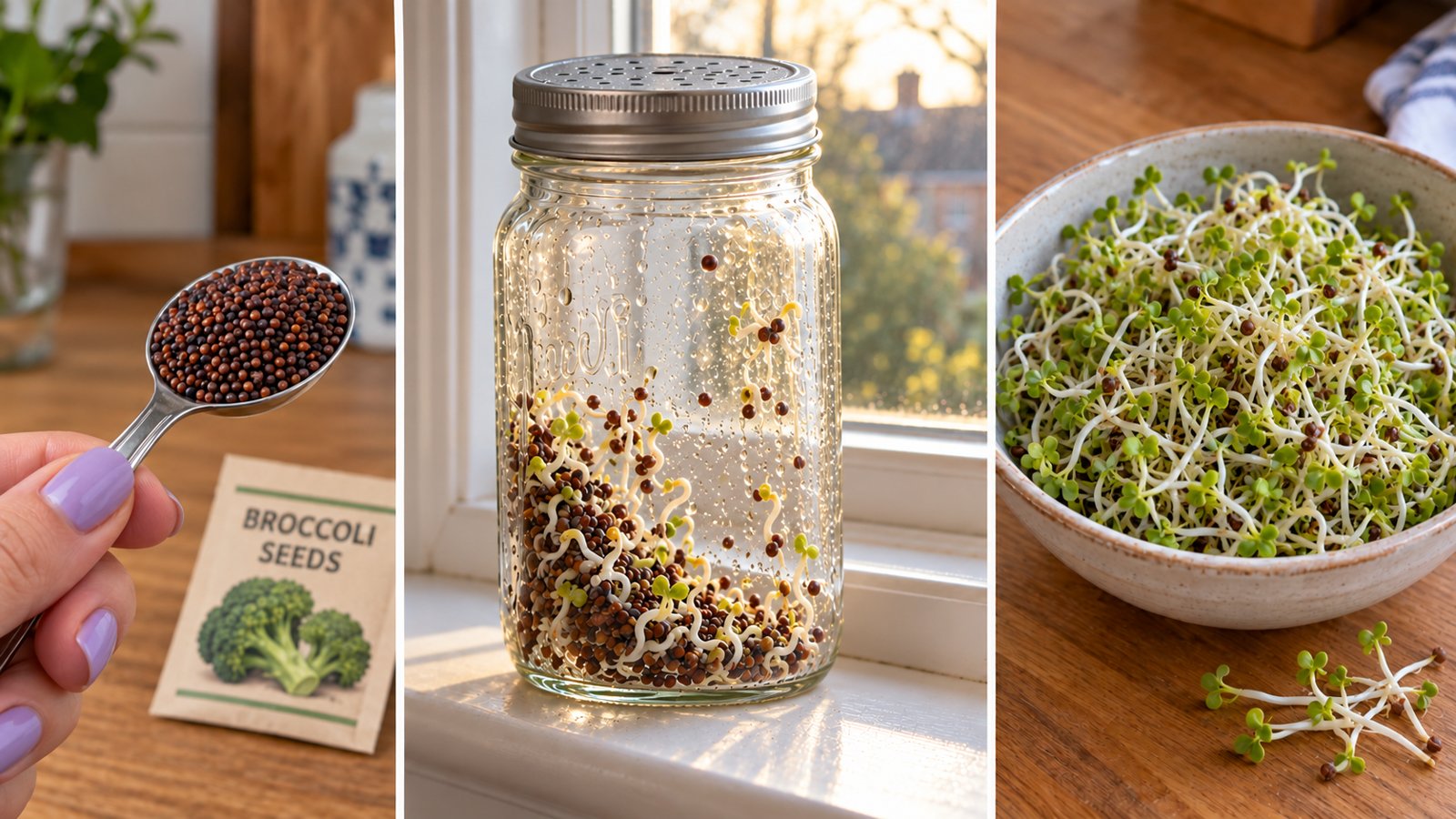
A randomized, placebo-controlled trial studied 78 men whose prostate-cancer blood marker PSA was rising after prostate surgery. They received sulforaphane or placebo for six months. The estimated time for the PSA to double was 28.9 months with sulforaphane versus 15.5 months with placebo. A slower-rising marker is a useful research clue of the ability of sulforaphane to slow the growth of prostate cancer. Survival, however, requires its own measurement in a much larger study hopefully soon to come. (Wishful thinking, given the economics of medical research in the West.)
In addition to the human prostate cancer study, sulforaphane has demonstrated anticancer activity in laboratory and animal models of breast, pancreatic, and colorectal cancers.
That leaves me interested in sulforaphane, or the much more delicious version of it I can easily grow on my kitchen windowsill: broccoli sprouts. For a vegetable once banished from Air Force One, it has shown admirable persistence. [23]
7. Flaxseed
The Roman writer Pliny the Elder asked, “What department is there to be found of active life in which flax is not employed?” In his Natural History, he marveled that flax could become sails and help ships cross the Mediterranean, clothes that the sailors wore, and dishes they ate out of. Still today, the linen you wear to work and sleep on and which comprises your curtains is made from the flax plant’s stalk.
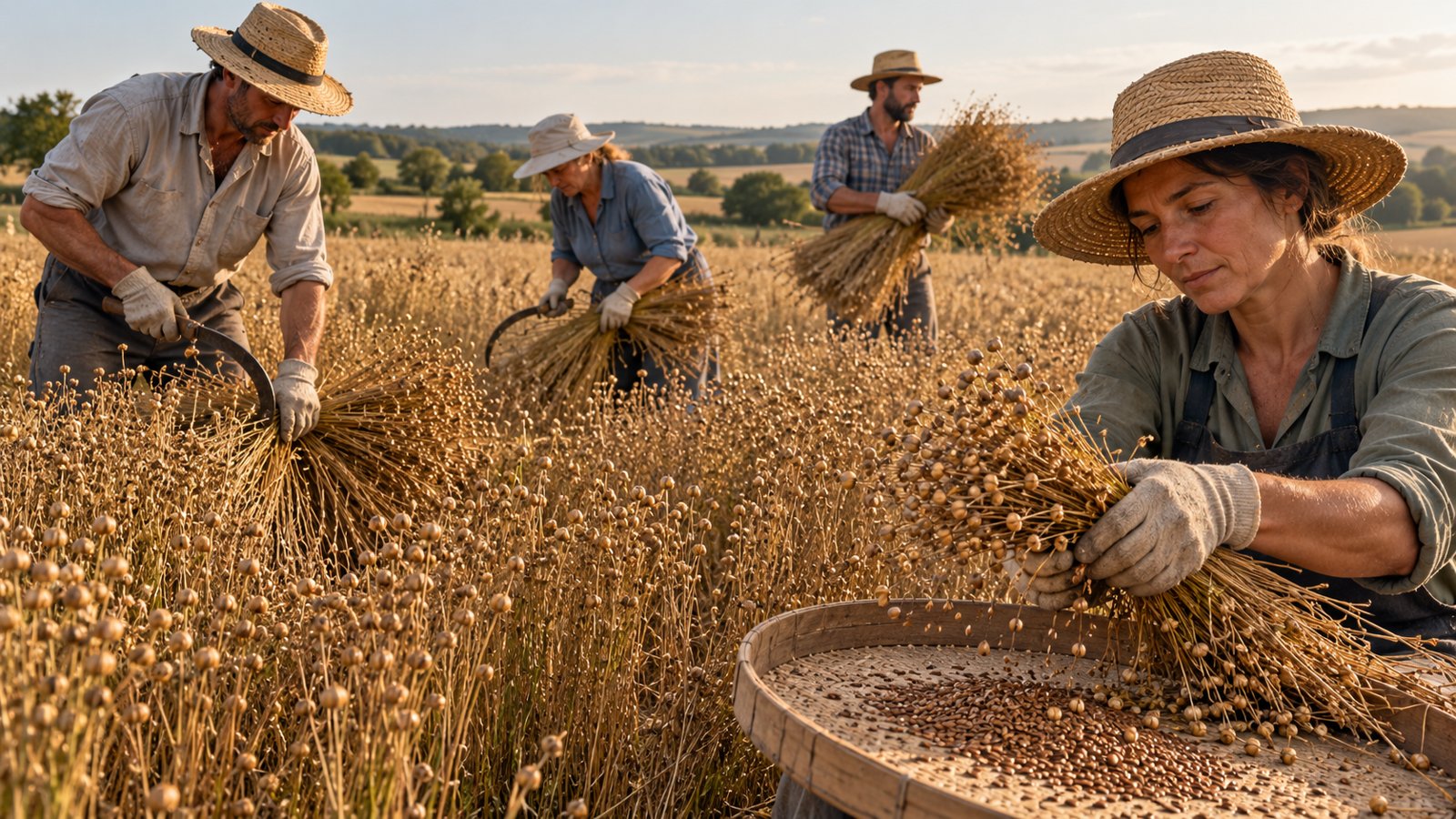
Today flax is attracting a different kind of attention. Picture the same plant supplying a pirate’s eyepatch in one century and a cancer research participant’s breakfast in another. An impressive career change for something that looks like tiny brown gravel. [24]
In a randomized study of 161 men awaiting prostate-cancer surgery, researchers tested ground flaxseed, a low-fat diet, both, or the usual diet. Tumors removed at surgery showed lower cell-proliferation rates in the flaxseed groups. The trial measured this tissue post-operatively, and it does not indicate any change in long-term survival. Though it is promising. I find documenting a therapy response by looking directly at human tumor tissue to be much more compelling research than another headline based entirely on a petri dish or an influencer’s marketing pitch. [25]
In addition to prostate cancer, flaxseed has also shown positive findings in research involving breast, colorectal, and lung cancers.
8. Probiotics
More than a century ago, Nobel laureate Élie Metchnikoff became fascinated by beneficial bacteria in our bodies and promoted Bulgarian yogurt as a possible route to healthier aging. Some of his theories aged better than others, but his curiosity helped launch a lasting scientific conversation. Meanwhile, our microbial roommates have continued living rent-free since Day 6 of creation. No wonder God had to rest on the seventh—to create man, he had to create trillions of gut bacteria simultaneously! [26,27]
The cancer research of probiotics is specific to the organism and treatment setting. In a randomized study of 202 people treated for superficial bladder cancer, adding an oral Lactobacillus casei preparation to bladder-administered chemotherapy was associated with a three-year recurrence-free rate of 74.6%, versus 59.9% with chemotherapy alone. That’s a 24.5 percent increase in cancer recurrence-free survival. That is an interesting recurrence finding for a relatively inexpensive, side-effect-free oral preparation. [28]
A smaller randomized kidney-cancer study investigated a specific Clostridium butyricum product, alongside immunotherapy. Among 30 randomized patients, the reported median time before cancer progressed was 12.7 months with the bacterial product versus 2.5 months without it. That’s a five-fold increase in cancer-recurrence-free living.
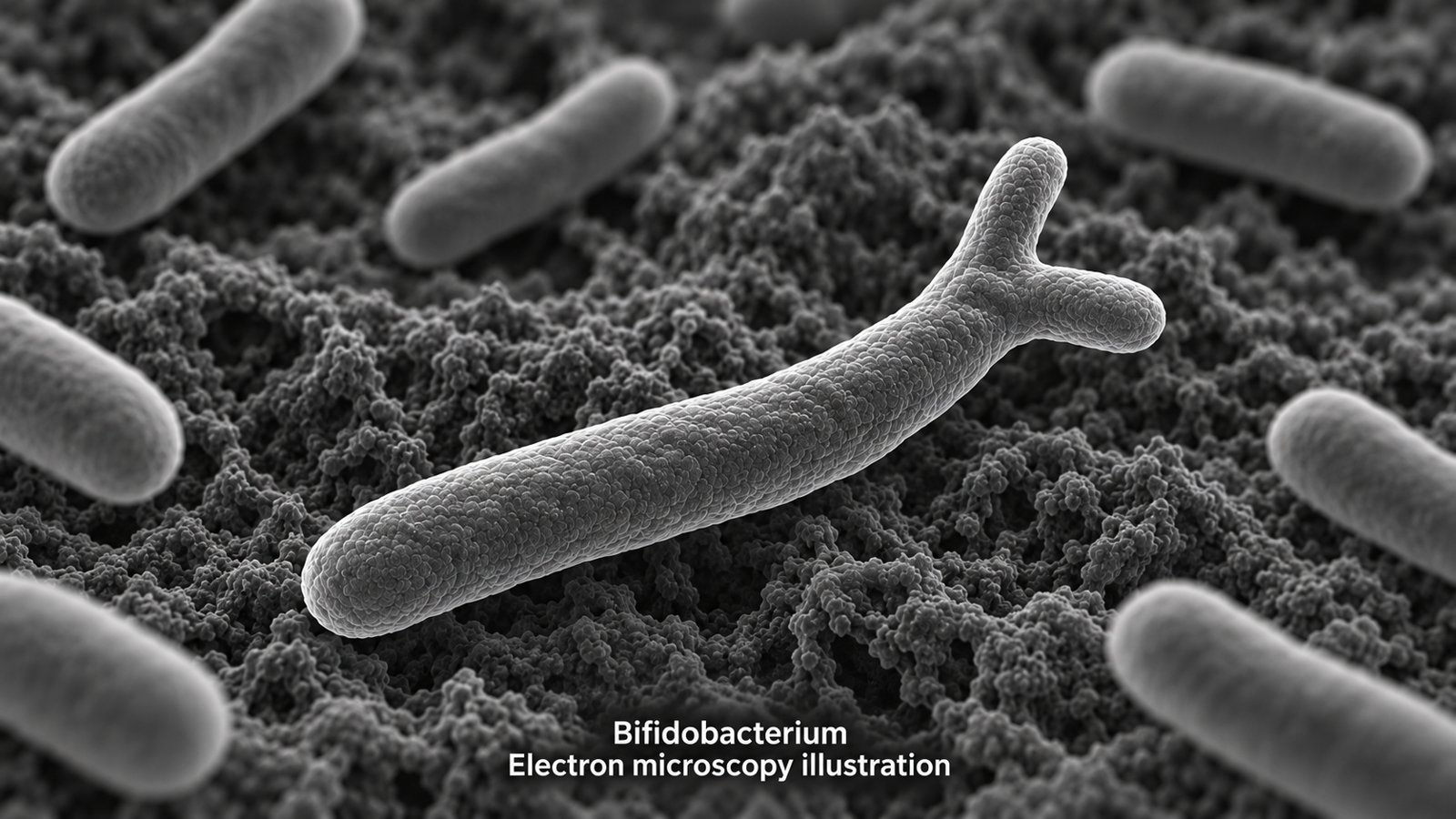
These studies—and many more—make the gastrointestinal microbiome an intriguing part of the treatment picture. They also make strain selection essential: the word “probiotic” on a bottle is only the beginning of the identification process. It is a neighborhood, and the names of the neighbors matter. [29]
Specific probiotic organisms have also shown positive findings in animal models of colorectal cancer and melanoma.
If you’re curious as to which particular species of probiotic had the most impact on cancer in the medical research, read an article I wrote on this subject on our website:
“The Gastrointestinal Microbiome’s Effect on Cancer: What Does the Evidence Say?”
9. Grape seed extract
Grape seeds had several practical uses before modern extract research, including oil, soap, and animal feed. Their history is as diverse as the history of the grape itself. Grapes were used for wine, as far as we know, about 8,000 years ago.
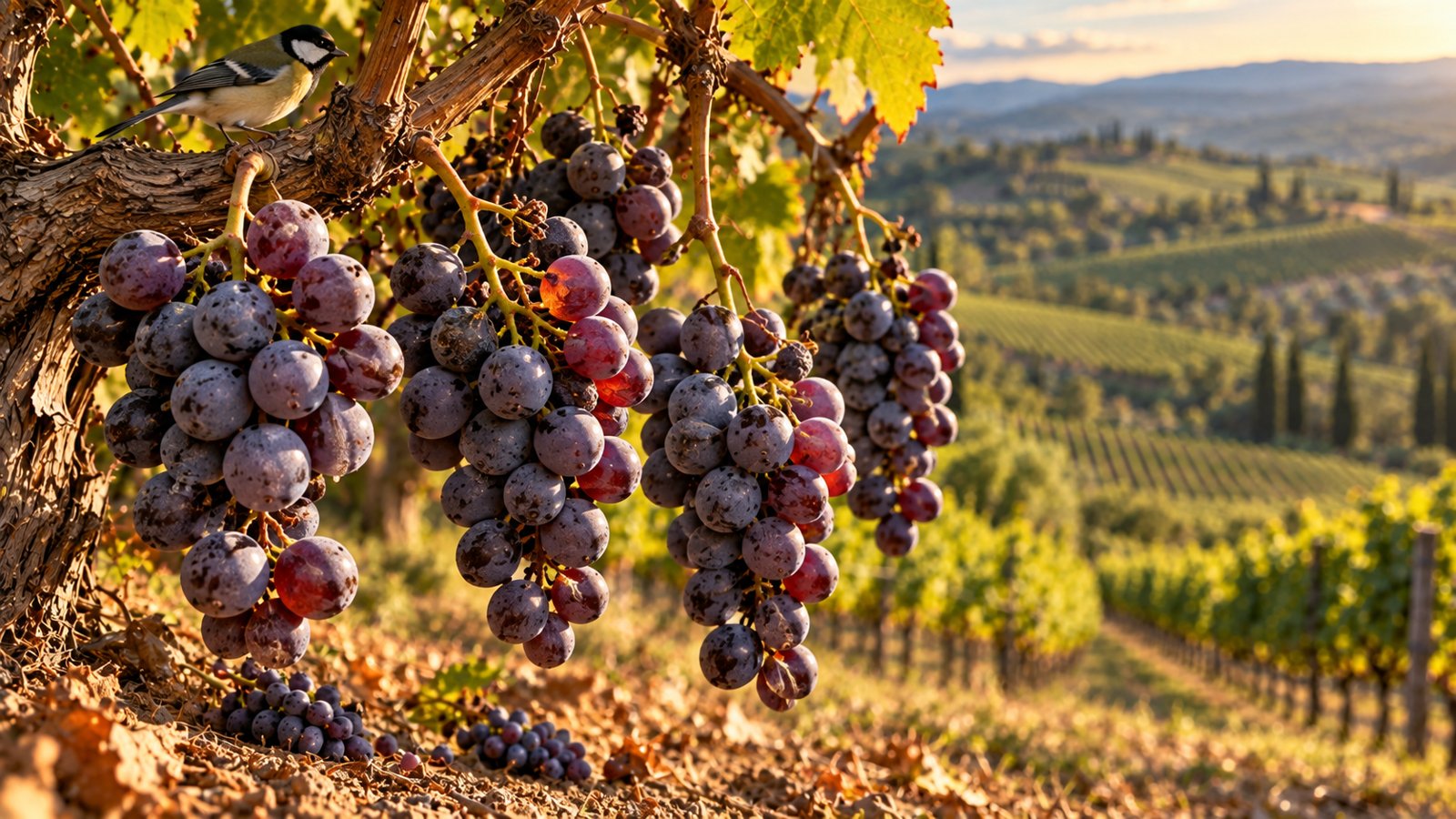
Grape seeds specifically appear in medicinal writing nearly 2,000 years ago. In his Natural History, published in AD 77, the Roman author Pliny the Elder included a section titled “Grape-stones: six remedies.” (Here, “stones” means seeds.) He described roasting and grinding them, then adding the powder to drinks for people with dysentery and other digestive complaints. He also described using a ground seed application externally for itchy skin conditions.
I prefer grapes with seeds. They taste better—more tart. And I get pleasure knowing I’m eating a fruit more similar to what God created without all of botany’s selective breeding. Seedless grapes are created through selective breeding of what would ordinarily be a negative trait. (Though, I’m loath to admit, my kids are spoiled with seedless watermelons, and look at me like I’m an Amish grandpa when I cut open a melon with seeds.)
Grape seeds, however, have earned their place in the spotlight. Picture the little ingredient that usually gets spit on the ground by your ten-year-old, finally stepping out from behind the fruit and asking for its own research budget. Grape seed extracts contain compounds researchers have investigated recently specifically for anticancer activity. [30,31]
In a 2006 study, researchers implanted human colorectal cancer cells into mice and gave them grape seed extract orally. After eight weeks, tumors in the treated mice were 44% smaller than those in untreated controls. Examination of the tumors showed slower cancer-cell multiplication and increased apoptosis, the cells’ programmed self-destruct process. (Grape seed extract somehow convinced the cancer cells to kill themselves.) The researchers reported no observed toxicity.
These were human cancer cells, but the experiment was conducted in mice, so the findings provide a strong reason for further investigation rather than proof of benefit in patients. Still, that is an intriguing research résumé for something most of us spit out with a smirk, especially if we accidentally bite into one and taste their bitterness, though the greener thumbs among us are prone to save ‘em for next year’s crop.
In addition to colorectal cancer, grape seed extracts have demonstrated anticancer activity in laboratory and animal models of breast, prostate, lung, and head-and-neck cancers, as well as leukemia.
Grape seed extract has definitely earned a front-row seat in the cancer conversation. The little belittled runt of the grape empire has finally landed a speaking role. [32]
10. Ivermectin

Nobel laureate William Campbell once described himself as “an OK scientist with luck.” His modesty makes a fine introduction to an extraordinary discovery story. In 1974, Campbell’s colleague Satoshi Ōmura found a bacterium in a soil sample, which led to the discovery of avermectin and then its derivative, ivermectin. Picture a scoop of soil containing the starting material for a medicine used successfully around the world. Dirt rarely gets such an impressive performance review. Campbell and Ōmura shared the 2015 Nobel recognition for their anti-parasitic work with ivermectin. [35,36] (They are pictured above receiving their coveted Nobel Prize.)
One major study estimated that ivermectin treatment for river blindness in 16 African countries preserved 8.2 million years of healthy life between 1995 and 2010. That measure combines disability prevented and premature mortality avoided. It’s safety is unparalleled, all the belittling of it during the pandemic by those pushing the COVID vaccine notwithstanding.
The cancer research for ivermectin, however, consists chiefly of preclinical experiments and isolated, though impressive, case studies. A 2010 study found that ivermectin killed acute myeloid leukemia cells in laboratory experiments, including samples obtained from patients, and delayed tumor growth in three mouse models. These are experiments on cells and animals, though the cells originally came from a person. [37]
Two published case studies are worth mentioning. A 2022 three-patient case series: Published in Cureus, it described patients with breast cancer, osteosarcoma and lung adenocarcinoma receiving ivermectin alongside other repurposed drugs. Researchers reported symptom improvements and, in the breast cancer patient, reduced tumor markers.
A 2026 lymphoma case report: A patient with recurrent lymphoma experienced a complete response after ivermectin treatment. The researchers interpreted this as treating an underlying infectious cause of the lymphoma.
Additionally, a 197-patient observational study of cancer patients was published in 2026: This examined ivermectin plus mebendazole using patient-reported outcomes. The study reported 84.4% "clinical benefit”—defined as reporting stable disease, tumor regression, or no evidence of disease. Over half (57.3%) of those who reported clinical benefit had tumor regression or no evidence of cancer. The types of cancer these patients had was diverse: prostate, breast, lung, colon, bladder, kidney, pancreatic, liver, lymphoma, head-and-neck, ovarian, uterine, thyroid, brain, melanoma, multiple myeloma, and sarcoma. Side effects of the drug combination were mild overall, with only two patients discontinuing the drugs. Unfortunately, this study was retracted in October 2026 following concerns about its methods and analysis.
Ivermectin has demonstrated anticancer activity in laboratory models of breast, colorectal, ovarian, brain and blood cancers. Researchers have reported effects on cancer growth pathways, apoptosis, cancer stem cells, angiogenesis and improved immune response to tumors.
Ivermectin earns a place here as a drug worth investigating further, with much stronger preclinical evidence than some of the supplements with positive human trial findings elsewhere on this list. Petri dishes and mice open the door, but dependable human data determines how far we walk through it. [38]
Conclusion
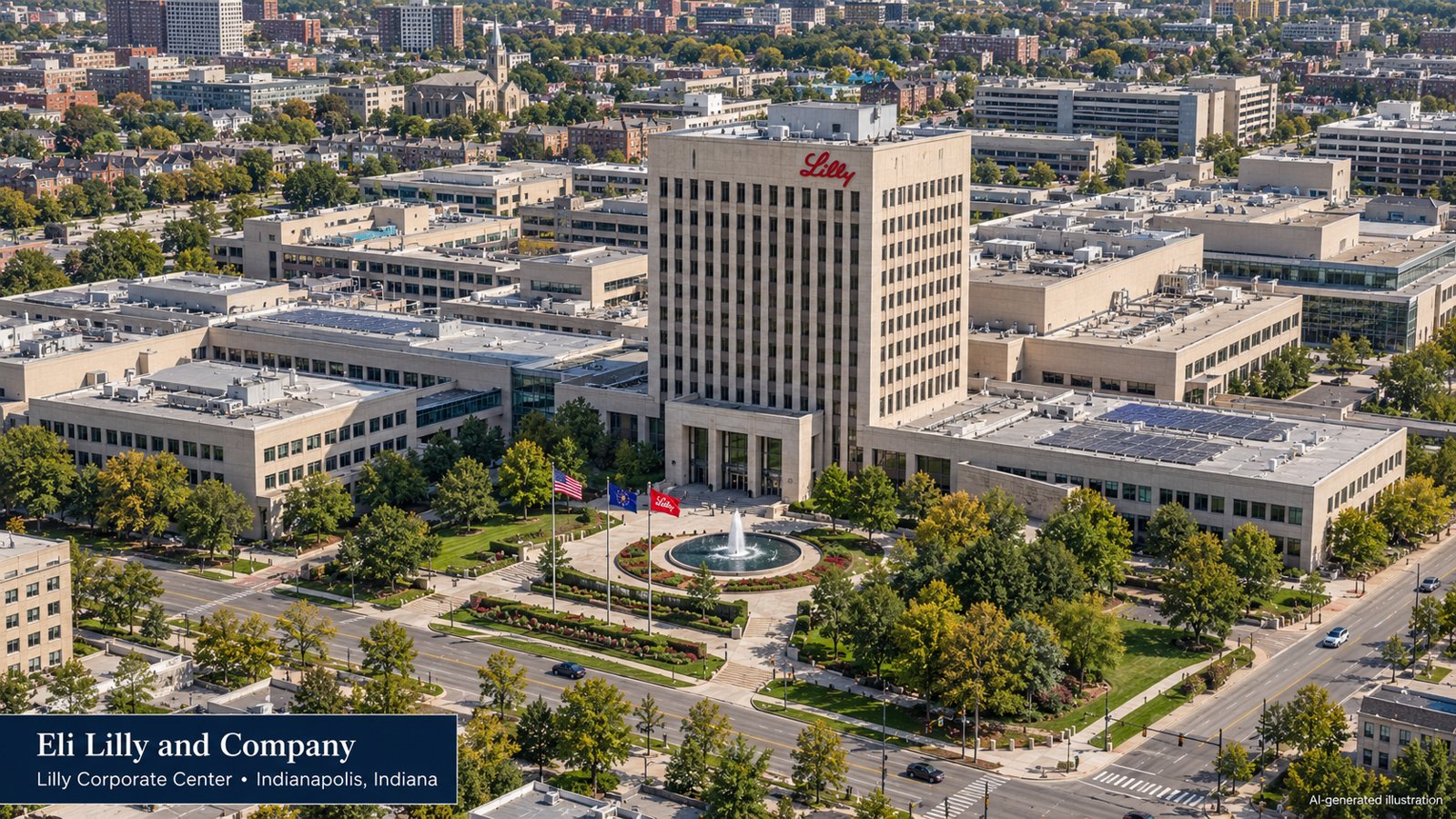
If I had cancer, I would want my treatment decisions informed by the full breadth of medical literature, not just what’s marketable to companies like Eli Lilly (the largest pharmaceutical company in the world, pictured right), who profits off of FDA-approved drugs. So my attention would also be devoted to medical research on supplements, herbs, medicinal mushrooms, and repurposed, generic drugs. I would give the greatest weight to evidence that matches my specific kind of cancer. Every medical study deserves attention; the details decide how much. My aim with the Verity Health Institute is to help patients arrive at an informed conversation with their physician, carrying useful questions rather than a shopping cart full of assumptions.
I am a retired family practice physician. This article is educational, and you should clear these recommendations with your own physician, especially your oncologist, before adding anything to your treatment. I extend that invitation not only to people living with cancer, but those with a personal history of cancer, and those concerned about their family history of cancer. More or less, we acquire our parents’ and grandparents’ diseases.
The goal is a thoughtful, well-researched plan suited to you. And if a mushroom capsule makes the final list of what you take, it should earn its place through the research—even if no investor can profit off it and it has the least entertaining name at the health-food store. [39]
Sources
1. NIH/NCATS, New Therapeutic Uses. The financial-incentive quotation concerns existing drugs with expired patents.
https://ncats.nih.gov/research/research-activities/ntu
2. FDA, How Drugs are Developed and Approved.
https://www.fda.gov/drugs/development-approval-process-drugs/how-drugs-are-developed-and-approved
3. Johns Hopkins University, U.S. patent US11110079B2, granted September 7, 2021.
https://patents.google.com/patent/US11110079B2/en
4. South Tyrol Museum of Archaeology, Ötzi’s equipment, birch fungus.
https://www.iceman.it/en/oetzi/equipment
5. NCI, Medicinal Mushrooms PDQ.
https://www.cancer.gov/about-cancer/treatment/cam/hp/mushrooms-pdq
6. Ohwada et al., PSK and adjuvant chemotherapy for colorectal cancer, 2004.
https://pubmed.ncbi.nlm.nih.gov/14997197/
7. Chen et al., randomized Huaier trial after liver-cancer surgery, 2018.
https://pubmed.ncbi.nlm.nih.gov/29802174/
8. Oba et al., lentinan patient-data analysis, 2009; Yoshino et al., later randomized trial, 2016.
https://pubmed.ncbi.nlm.nih.gov/19596954/
https://pubmed.ncbi.nlm.nih.gov/27501505/
9. AHCC postoperative liver-cancer study, 2022.
https://pubmed.ncbi.nlm.nih.gov/35075934/
10. Ganopoly/Reishi immune study, 2003.
https://pubmed.ncbi.nlm.nih.gov/12916709/
11. Cordyceps lung-cancer trial analysis, 2024.
https://pubmed.ncbi.nlm.nih.gov/38484953/
12. Chaga mouse study, 2016.
https://pmc.ncbi.nlm.nih.gov/articles/PMC4946216/
13. Lion’s mane gastrointestinal-cancer experiments, 2014.
https://pubmed.ncbi.nlm.nih.gov/24631140/
14. Institut Pasteur, Annual Report 2013, Pasteur quotation.
https://www.pasteur.fr/sites/default/files/rubrique_espace_presse/ressources_pour_la_presse/annual-report-2013.pdf
15. Lewis Carroll, Alice’s Adventures in Wonderland, chapters 1–2; Library of Congress, chronology of the 1862 boat trip.
https://www.gutenberg.org/cache/epub/11/pg11-images.html
https://www.loc.gov/collections/lewis-carroll-scrapbook/articles-and-essays/timeline/
16. Keizman et al., modified citrus pectin prostate-cancer phase-two study, 2021.
https://pmc.ncbi.nlm.nih.gov/articles/PMC8706421/
17. Guess et al., modified citrus pectin prostate-cancer pilot study, 2003.
https://pubmed.ncbi.nlm.nih.gov/14663471/
18. Oregon State University Special Collections and Archives Research Center, Clarifying Three Widespread Quotes; Harker letter and Pauling audio.
https://paulingblog.wordpress.com/2008/10/28/clarifying-three-widespread-quotes/
19. Bodeker et al., randomized intravenous vitamin C trial in metastatic pancreatic cancer, 2024.
https://pubmed.ncbi.nlm.nih.gov/39369582/
20. Kakuzō Okakura, The Book of Tea, 1906, text hosted by CUNY.
https://cuny.manifoldapp.org/read/the-book-of-tea/section/97ddb2bf-8301-40fc-af18-a9d68e8bad10
21. Shanafelt et al., Polyphenon E phase-two leukemia study, 2013, published online in 2012.
https://pubmed.ncbi.nlm.nih.gov/22760587/
22. George H. W. Bush Presidential Library, The President’s News Conference, March 22, 1990.
https://www.bush41library.gov/digital-research-room/finding-aid/public-papers/presidents-news-conference-23
23. Cipolla et al., randomized sulforaphane study after prostatectomy, 2015.
https://pubmed.ncbi.nlm.nih.gov/25968598/
24. Pliny the Elder, Natural History, Book XIX, chapter 1; Bostock and Riley translation.
https://www.gutenberg.org/files/61113/61113-h/61113-h.htm
25. Demark-Wahnefried et al., randomized flaxseed study before prostatectomy, 2008.
https://pmc.ncbi.nlm.nih.gov/articles/PMC2703189/
26. Charles Darwin, On the Origin of Species, closing passage, Darwin Online variorum.
https://darwin-online.org.uk/Variorum/1860/1860-490-c-1861.html
27. Alimentarium museum, Ilya Metchnikoff and the historical yogurt movement.
https://www.alimentarium.org/en/story/ilya-metchnikoff
28. Naito et al., epirubicin plus Lactobacillus casei bladder-cancer recurrence trial, 2008.
https://pubmed.ncbi.nlm.nih.gov/18076918/
29. Dizman et al., CBM588 kidney-cancer randomized phase-one trial, 2022.
https://www.nature.com/articles/s41591-022-01694-6
30. William Shakespeare, Othello, Act 2, scene 3, Folger Shakespeare Library.
https://www.folger.edu/explore/shakespeares-works/othello/read/2/3/
31. Maroni et al., grape seed extract prostate-cancer phase-two trial, September 27, 2026.
https://pubmed.ncbi.nlm.nih.gov/42801665/
32. Singh et al., grape seed extract prostate-cancer xenograft study, 2004.
https://pubmed.ncbi.nlm.nih.gov/14696100/
33. Newton to Hooke, February 5, 1676, quotation reproduced in Yale teaching material.
https://teachers.yale.edu/curriculum/units/2008/4/5/2
34. Mebendazole randomized colorectal-cancer trial, 2022.
https://pubmed.ncbi.nlm.nih.gov/35385794/
35. American Society of Parasitologists, interview with William Campbell, July 2, 2020.
https://www.amsocparasit.org/post/member-spotlight-dr-william-campbell
36. Government of Japan, Defeating Diseases with Help from Microbes, profile of Satoshi Ōmura, 2016.
https://www.japan.go.jp/tomodachi/2016/newyear2016/prof_satoshi_omura.html
37. Sharmeen et al., ivermectin leukemia-cell and mouse experiments, 2010.
https://pubmed.ncbi.nlm.nih.gov/20644115/
38. npj Breast Cancer, editorial expression of concern, June 5, 2026.
https://www.nature.com/articles/s41523-026-00988-z
39. NCI, Genetic Testing for Inherited Cancer Risk fact sheet.
https://www.cancer.gov/about-cancer/causes-prevention/genetics/genetic-testing-fact-sheet