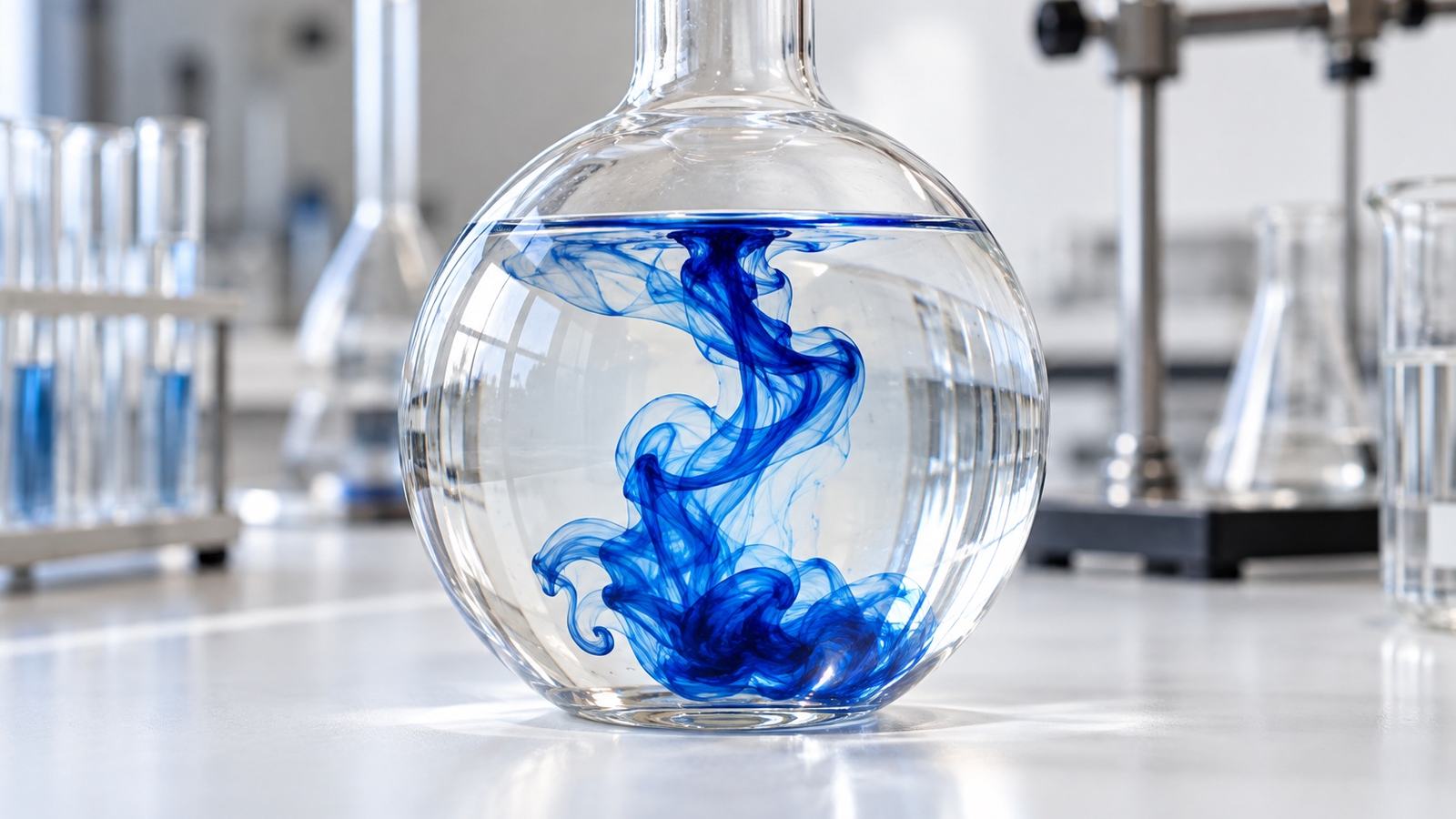
Researchers working at a lab bench

Methylene Blue and Cancer: What the Lab Research Shows, and What It Doesn't

Methylene blue has been around for more than a century. It was one of the first synthetic drugs used in medicine, it remains an approved treatment for methemoglobinemia, and in recent years it has picked up a second life in wellness and biohacking circles, where it is discussed as a cognitive enhancer, an anti-aging compound, and increasingly, a cancer treatment. That last claim is the one worth slowing down on, because the actual research behind it is real, but it is not what the online conversation around it suggests.

What the laboratory research actually shows

The mechanistic case for methylene blue in cancer research centers on mitochondria. Methylene blue can act as an alternative electron carrier in the mitochondrial electron transport chain, effectively giving cells a bypass route when the normal chain is damaged or dysfunctional. Researchers have studied this property in the context of several diseases where mitochondrial function is impaired, cancer among them, since some tumor cells show altered mitochondrial metabolism.

Specific findings in that line of research include laboratory work showing that methylene blue combined with the chemotherapy drug carboplatin increased cancer cell death in ovarian cancer cell lines grown in a dish, and a study in mice where methylene blue, framed as a form of metabolic therapy, restrained the growth of ovarian tumors in a live animal model. Findings like these are why methylene blue keeps showing up in early-stage oncology research discussions, and why it is a genuinely interesting compound to keep watching.

What has not been shown

Here is the distinction that matters most: everything described above is in vitro (cell culture) or animal-model research. As of this review, there are no published human clinical trials establishing methylene blue as an effective treatment for cancer in people. A result in a petri dish or a mouse is a reason to study something further, not a reason to conclude it works in humans. Dosing that is achievable and safe in a mouse does not automatically translate to a human body, the tumor microenvironment in a lab model is a simplification of what happens in an actual patient, and the history of oncology research is full of compounds that looked promising at this exact stage and did not hold up once human trials were run.

That is not a dismissal of the research. It is where the evidence actually stands right now, and it is the honest answer, not a discouraging one.

The interactions worth knowing about

Methylene blue is not risk-free, and this is the part that gets left out of most of the enthusiastic coverage online. The FDA has issued a specific warning that methylene blue can cause serotonin syndrome, a potentially serious reaction, when combined with serotonergic psychiatric medications, including SSRIs, SNRIs, and MAOIs. The mechanism is that methylene blue itself inhibits monoamine oxidase A, the same enzyme many of those medications are designed to work around. Anyone taking an antidepressant or similar medication should treat that combination as a real medical consideration, not a footnote.

Methylene blue also carries a well-documented caution for people with G6PD deficiency, a genetic condition affecting red blood cells, since it can act as an oxidizing agent and has been associated with hemolytic anemia in that population. This is a standard consideration in its established clinical uses and applies just as much to any off-label use.

Where this leaves the evidence

Early / Preliminary is the accurate tier here, not because the research is uninteresting, but because that is precisely what the label describes: laboratory and animal evidence exists, and human evidence is thin or effectively absent. That can change as research continues. It has not changed yet.

This review is not a recommendation to start, stop, or substitute anything in a cancer treatment plan, and methylene blue in particular carries interaction risks that make a conversation with a treating physician or pharmacist relevant before considering it for any purpose. Treatment decisions belong with an oncology care team, not with a single article.