
COVID and Cancer: The Spike Protein & Its Eradication
Educational research summary, not medical advice. Talk with your oncologist and pharmacist before starting, stopping or changing any treatment or supplement.
What New Research Shows
Spike protein cancer signals and the search for ways to reduce harm
If scientific certainty came in a bottle, every meager breakthrough since the Middle Ages would have resulted in a new world record in sales. People buy up certainty like they scoop up Gwyneth Paltrow’s $75-plus-shipping vagina-scented candles only to discover it smells like a dime-store floral perfume. Give them a CNN Headline, and they swallow—hook, line, and sinker.
At the close of 2019, we heard confident government pronouncements about the threat of a new virus, its obscure origins in China, its lack of established treatments, and the rush to create a life-saving vaccine while the evidence was still arriving. Years later, some questions that were heretical during the pandemic remain disturbingly unsettled—including whether infection or vaccination could influence the development or behavior of certain cancers, and whether anything can safely reduce harm from persistent viral components.
Those questions deserve serious investigation, and with recent CEO admissions and successful million-dollar lawsuits by those who were fired for refusing vaccination, hopefully there will be less stone-throwing and stake-burnings with the asking.
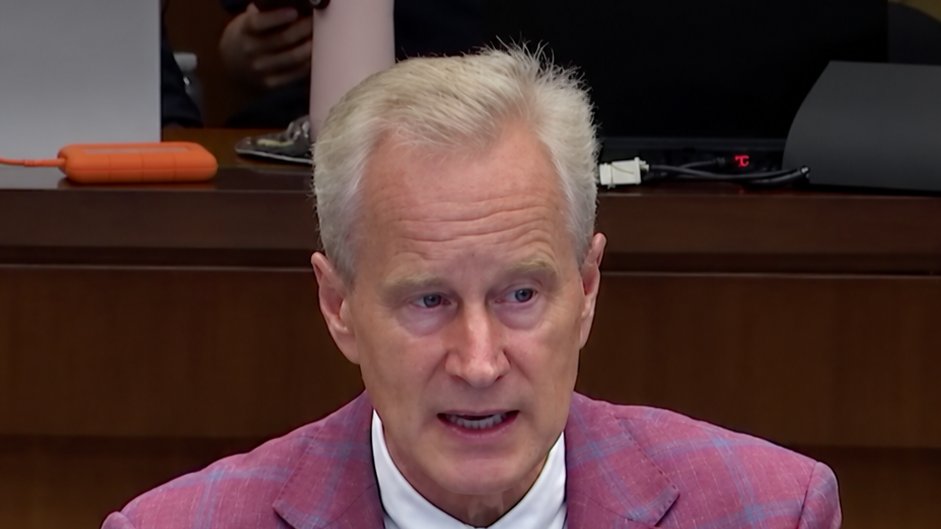
The evidence reviewed here includes a large South Korean observational study of 8.4 million people, unusual cancer cases soon after vaccination cropping up in the published research, Spike-protein tumor staining in metastases, laboratory experiments, and evidence-based hypotheses from Dr. Peter McCullough, the most published physician in the world.
Why This Subject Is Personal
I did not experience COVID exclusively through a television screen. At the beginning of the pandemic, I served as nightshift supervisor at a 200-bed FEMA-constructed field hospital in Atlanta’s Georgia World Congress Center. During the pandemic, I treated thousands of COVID patients, drawing on guidance from McCullough and the Front Line COVID-19 Critical Care Alliance, commonly called the FLCCC. I prescribed ivermectin and/or hydroxychloroquine, and recommended the supplements that worldwide data convinced me would be helpful.
I also cared for people with persistent symptoms after the acute infection had passed. I saw many patients improve, including people with Long Haul COVID struggling with disabling symptoms.
That resulted in me twice having to defend myself before the State Medical Board due to physician complaints that I prescribed ivermectin.
My personal clinical observations shaped my interest in repurposed medicines and nutritional approaches, and the persecution only heightened my interest. If your persecutors howl with malice when you calmly lob a scientific finding into a stuffy board meeting full of white-haired physicians who have much to lose if you’re right, you’re probably onto something.
Soon after I had to defend myself to the Medical Board, one of the members of the Board contacted me for treatment when he came down with COVID. He said he learned about me through my case. “Your data appears legit,” he said. “I couldn’t argue with it. Please don’t tell people that I contacted you for COVID care. I could lose my job over it.”
That experience explains why I want difficult questions examined openly, without firings and Medical Board threats. A sick patient does not improve when a potentially life-saving proposal is rejected for political inconvenience. And an evidence-based treatment does not suddenly become “junk science” just because the government and the media say so. At one point, prescribing penicillin was heresy by the stone-wielding proponents of putting leeches on feverish patients and peddling snake oil for infertility. We must be open to new evidence even if it is a threat to the status quo and shakes our confidence in our previously unshakeable certainty.
The South Korean Study Opens Pandora’s Metaphorical Box
By August 12, 2024, 70.7% of the world’s population had received at least one COVID vaccine dose, according to Our World in Data. At that scale, credible safety signals merit careful investigation.1
Published in Biomarker Research on September 26, 2025, the South Korean study used records from 8,407,849 people. Its matched comparison included 2,380,028 vaccinated and 595,007 unvaccinated participants. It reported higher rates of diagnosis for six cancers within one year of COVID vaccination.2
| Cancer | Hazard ratio | Relative increase |
|---|---|---|
| Prostate | 1.687 | 68.7% |
| Lung | 1.533 | 53.3% |
| Thyroid | 1.351 | 35.1% |
| Gastric | 1.335 | 33.5% |
| Colorectal | 1.283 | 28.3% |
| Breast | 1.197 | 19.7% |
A one-year diagnosis also cannot establish when a tumor began, but a large database with findings like this deserves attention.
A much smaller measurement of data calculating cancer rates in the U.S. from 2021-2023 confirms—though not as dramatically—the increased incidence of cancer after the pandemic and its subsequent COVID vaccine rollout. Prostate and pancreatic cancer in men, and breast and pancreatic cancer in women, are largely responsible for a 6.4% higher cancer incidence among people in the U.S. under 50.
When Scientific Disagreement Became a Social Problem
During COVID, public discussion too often treated disagreement as a character defect. Science should be able to withstand a well-founded question without sending the questioner to the principal’s office for a spanking.
Robert Malone (one of the brains behind the vaccine’s novel mRNA technology); Dr. Peter McCullough; Dr. Pierre Kory, and many other medical professionals who spoke out against the COVID vaccine were ostracized, maligned, and some even lost board certification and had their licenses threatened for not silently submitting to the status quo.
In a November 28, 2021, Face the Nation interview, Dr. Anthony Fauci defended himself against political attacks, saying, “They’re really criticizing science because I represent science.”3 Since then, the RFK-documented evidence of his incompetence at best, or malice at worst, is mounting. Fauci was never the Pope of science—all of the government’s and the media’s ring-kissing notwithstanding. Scientific authority should remain open to challenge. The Constitution-enshrined right of free speech guarantees the right to criticize government policy.
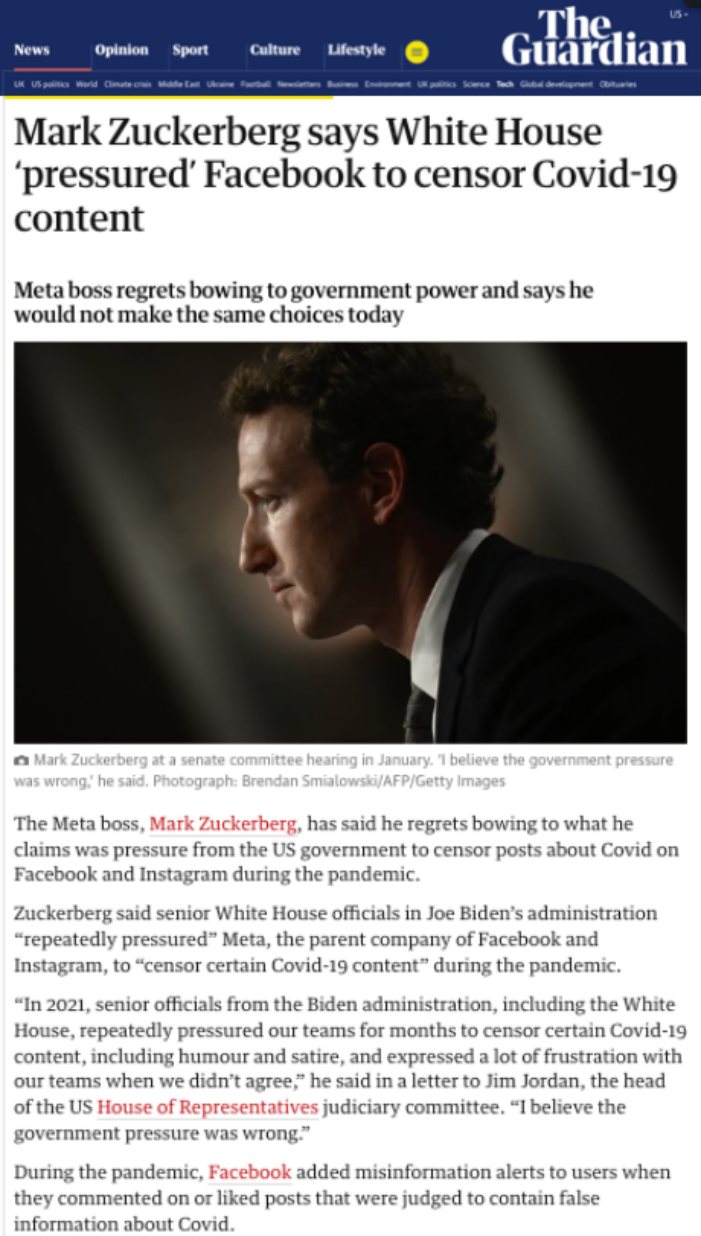
In his August 26, 2024, letter to the House Judiciary Committee, Mark Zuckerberg, the CEO of Meta/Facebook, in response to being caught censoring opinions contrary to the government’s positions5, wrote, “I believe the government pressure was wrong and I regret that we were not more outspoken about it.” As reported by the Associated Press through PBS NewsHour, he described repeated Biden-administration pressure to remove certain COVID content, including humor and satire.4 Zuckerberg became an arm of tyranny to silence political dissidents, as did most social media conglomerates. I was censored by Facebook many times for posting the growing evidence of the harm of the COVID vaccine.
The social and political pressure also had consequences beyond tens of thousands of deleted posts and banned content creators. New York City’s vaccination requirement led to the dismissal of sanitation workers who refused it. Their 2022 trial-court victory wherein the fired employees got rehired with back pay became a widely shared headline.6 There are many such successful lawsuits, with some resulting in employees who were terminated for refusing the vaccine being rehired and given backpay.
In some lawsuits, there were sizable awards. In 2024, Lisa Domski, a Michigan woman who worked for Blue Cross Blue Shield for 38 years, was awarded $12.69 million by a jury for being fired due to her refusal to get the COVID vaccine. The NorthShore University Health System in Illinois was ordered to rehire and pay $10.34 million to employees they terminated for refusing vaccination. Hopefully the lawsuits will continue, and the damages against offending companies and governments will be sufficiently high to prevent this kind of egregious trampling of healthcare rights from ever happening again.
Far sadder are the stories of those who didn’t want the vaccine, but upon threat of being fired, received it anyway.
What McCullough Meant by “Designed to Kill”
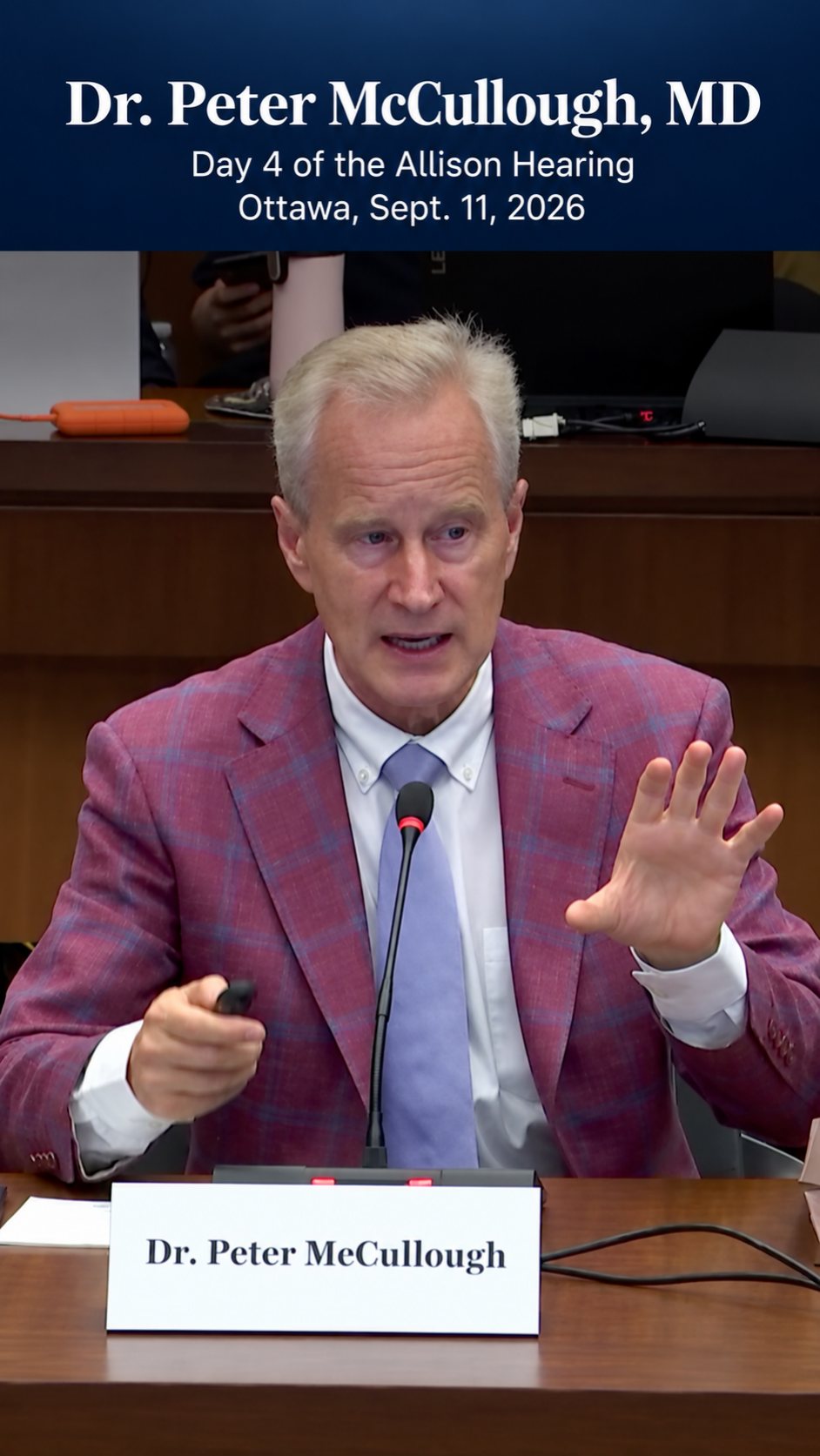
During Day 4 of the Allison hearing in Ottawa on September 11, 2026, McCullough said that COVID’s Spike protein “was designed to kill.” The remark occurs at 12 minutes 26 seconds in his testimony.
In context, he wasn’t indicting any motive of the vaccine manufacturers at all. McCullough alleged that gain-of-function engineering that Fauci funded through the HHS (giving $598,611 to the Wuhan Institute of Virology) had made this coronavirus and its inherent Spike protein lethal.9 It was designed to kill humanized animals in experiments in Wuhan’s lab.
Creating the Spike protein inherent in the COVID pathogen is the primary mechanism by which the COVID mRNA vaccines are purported to elicit immunity. The evidence McCullough gives in his testimony—some of which we’ll share in this article—demonstrates that giving mRNA to humans to create the Spike protein to elicit immunity not only didn’t create immunity, it likely does far more harm than good.
That is a serious allegation with far-reaching consequences.
As McCullough put it, “People who have taken these vaccines, in many ways, are lucky to be alive.”
The September 2026 Study and Its 35 Proposed Mechanisms
The September 3, 2026, medical study by Peter McCullough, John Catanzaro, Nicolas Hulscher, and colleagues proposes a “concurrent-hit” model of accelerated malignancy. It identifies 35 possible mechanisms across the mRNA vaccine platform, including spike-related effects and concerns about residual plasmid DNA.10
The authors group their proposed pathways by which the mRNA vaccine increases cancer risk into several categories: oncogene activation, mutation pressure, disruption of protein interaction networks, and acceleration of cancer stem-cell clones. Their central hypothesis is that several simultaneous biological stresses might accelerate existing susceptible cells or occult disease.10
However, just because you pass a stop sign on your way to a car accident doesn’t mean that the stop sign caused the accident. Mechanisms can generate useful predictions; human studies must test them. Though their proposed mechanisms explain the observed phenomenon of increases in cancer within one year of taking the COVID vaccine, there are other factors that could explain the findings.
The Other Mechanistic and Population Papers
A January 2026 Oncotarget review by Charlotte Kuperwasser and Wafik El-Deiry assembled 69 publications, including case-level reports involving 333 patients across 27 countries, population studies, and a time-trend analysis. It describes several negative outcomes after vaccination or infection.14 Lymphomas, breast cancer, lung cancer, pancreatic cancer, glioblastoma, melanoma, and sarcoma—all were more common after COVID vaccination or infection. They also noted accelerated growth of previously controlled cancers. They noted increased risk of tumors near vaccination sites. Half the case reports described diagnoses within two to four weeks after vaccination; others occurred months later. They found a study of 96 patients with pancreatic study linking repeated COVID boosters with poorer overall survival.
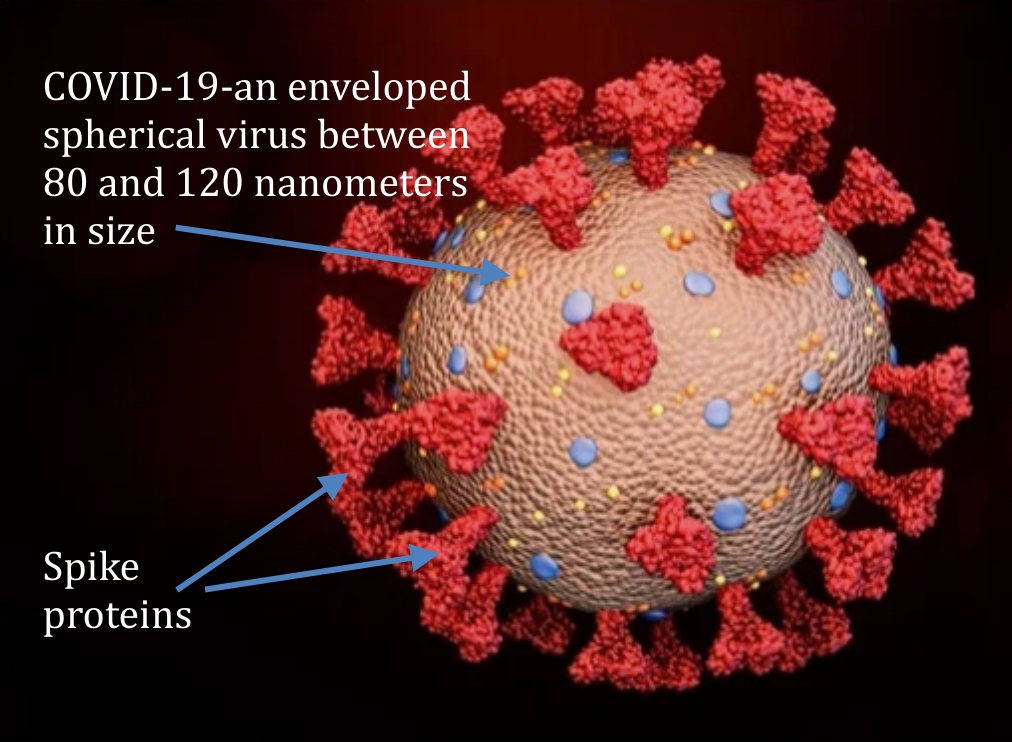
A 2022 review by Dr. McCullough, Stephanie Seneff and colleagues proposed that mRNA vaccination could disturb type I interferon signaling, RNA regulation, and the immune system’s natural ability to detect and destroy cancer cells.11
In their Spring 2026 article, Hulscher, McCullough, and Catanzaro synthesized three reports. One described blood-RNA patterns associated with impaired cellular energy production and protein dysfunction in patients with symptoms or cancer after vaccination. Another found statistically significant changes in 214 of 342 measured blood proteins, predominantly 16–24 weeks after vaccination, involving immune-complement activation, metabolism, and hormone-related pathways. The third described a 31-year-old woman with advanced bladder cancer who was discovered to have abnormal regulation of cancer-related genes and a sequencing result demonstrating vaccine-derived genetic integration of the foreign vaccine DNA into the patient’s genome. Hulscher and colleagues argued that these findings represented persistent, potentially harmful changes in gene and protein regulation, and called for suspension of mRNA vaccine use.¹²
An Italian population study followed 296,015 residents for up to 30 months. The authors reported a 23% increased risk of hospitalization for cancer during follow-up beginning six months after vaccination.15
A June 30, 2026, case report by Hulscher and colleagues described a 55-year-old man with multiple illnesses after vaccination and reported vaccine-related RNA, plasmid DNA, and spike findings more than 3.5 years later.13
Case Studies: Cardiac Sarcoma, Bladder Cancer, and a Startling Seven-Patient Study
The September 9, 2026, cardiac sarcoma study describes a 35-year-old man diagnosed with an aggressive cardiac intimal sarcoma 170 days after his first Pfizer dose and 146 days after his second. Later research testing of archived tumor tissue reportedly detected vaccine-related spike-coding DNA fragments and a plasmid-backbone sequence. Detection alone does not establish what caused the malignancy, but it is alarming.16
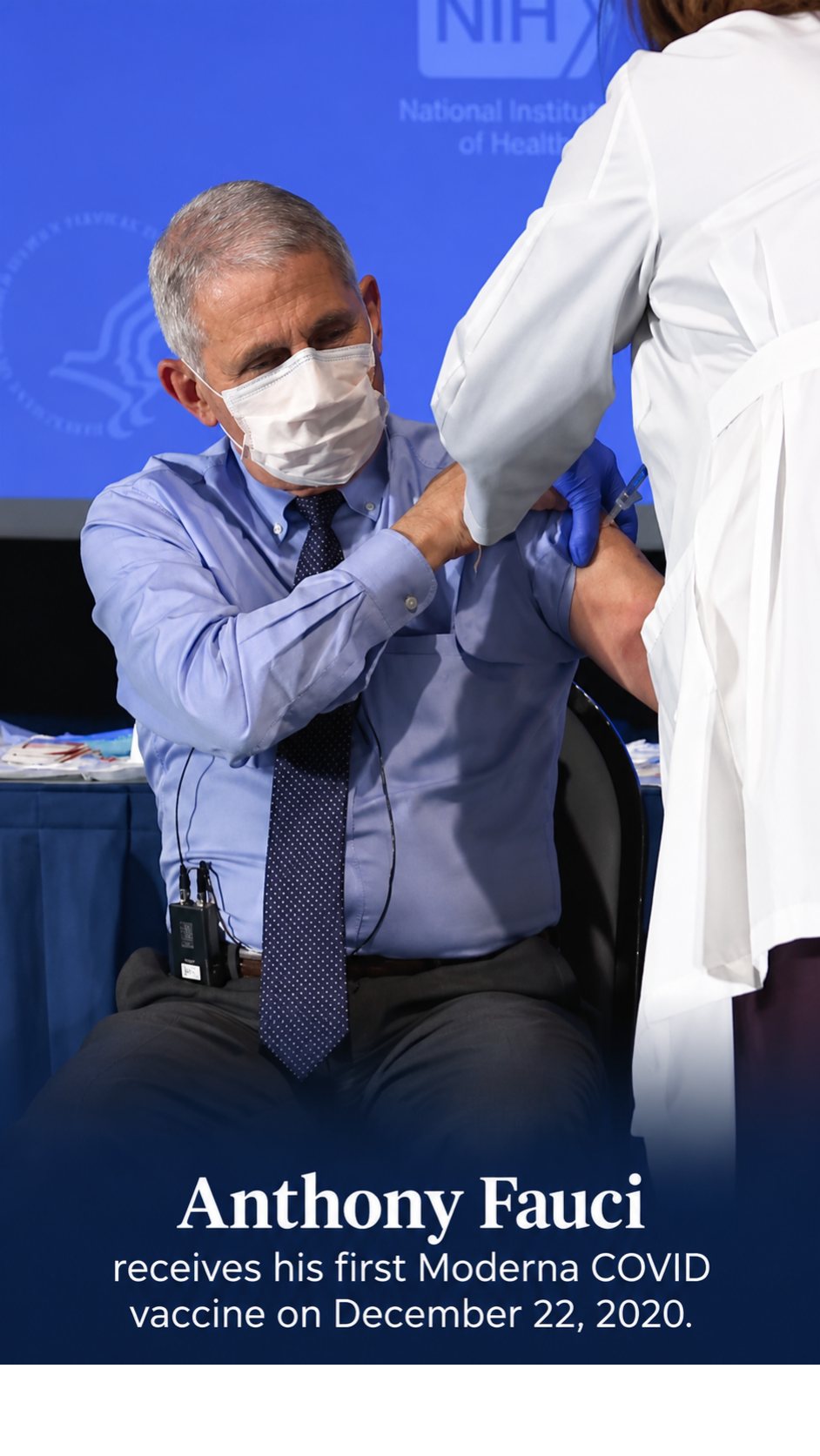
The October 2025 bladder-cancer report concerns a 31-year-old woman with stage IV disease within a year of a three-dose Moderna series. The authors reported a chimeric sequencing read containing a 20-base match to the Spike protein.17
The December 20, 2025, transcriptomic study examined seven patients with newly diagnosed cancers and three with nonmalignant symptoms after vaccination, comparing blood RNA with 803 unvaccinated individuals. It reported altered pathways involving cellular stress, mitochondria, immune signaling, and gene regulation.18
Spike Staining of Cancers
Published reports describe spike-protein staining in tumor tissue. That observation should be examined accurately, without turning every brown stain on a pathology slide into a signed confession. The cancers also stained positive for red blood cells, but that doesn’t make red blood cells responsible for the cancer.
Shigetoshi Sano’s 2025 letter describes an 85-year-old woman with a breast-cancer skin metastasis after a sixth Pfizer vaccination. The reported tumor staining was Spike-positive and nucleocapsid-negative, which the author considered compatible with a vaccine source.19
Zeyen and colleagues’ 2024 paper concerns three glioblastoma patients with neurological deterioration documented within 10 to 14 days after COVID symptoms began. Tumor tissue from one patient was tested and showed viral protein accumulation and Spike staining; corresponding tumor staining was not reported for the other two. The survival of all three was five to nine months shorter than comparable glioblastoma patients’ median survival of 17 to 18 months.20
Mitrofanova and colleagues’ 2023 study performed Spike staining on 11 post-pandemic tumors and found ten of them stained positive for the Spike protein.21
All of this evidence, taken together, lends credence to the theory that the Spike protein from the COVID infection and the COVID vaccine can persist in human bodies and increase the risk of several cancers, induce accelerated growth of stable cancers, and be found in tumors post-operatively or post-mortem. Thirty-five proposed mechanisms have been described that help make sense of this data.
Almost all of us have had COVID at least once. Most of us have had at least one COVID vaccine, and most of the vaccinated also got infected with COVID. Now that we’re aware of these findings, what can we do about it? Is there hope to avert the potential increased risk of cancer?
What Can Help Clear Spike Protein?
This is where the discussion can turn toward possible interventions, with evidence-based expectations. Nattokinase is an enzyme associated with fermented soybeans; bromelain is a pineapple-derived enzyme mixture; curcumin is a turmeric constituent.
Tanikawa and colleagues’ 2022 study, Degradative Effect of Nattokinase on Spike Protein of SARS-CoV-2, showed dose- and time-dependent spike degradation when nattokinase was applied directly to cell lysates and cultured cells.22
In their November 2023 Cureus review, Clinical Approach to Post-acute Sequelae After COVID-19 Infection and Vaccination, Hulscher, McCullough and colleagues proposed the following regimen for three to 12 months to help clear any residual Spike protein, while urging larger studies to be done to provide more definitive proof.23
| Compound | Published proposed starting dose |
|---|---|
| Nattokinase | 100 mg twice daily |
| Bromelain | 500 mg once daily |
| Curcumin | 500 mg twice daily |
The authors cautioned about easy bruising, nosebleeds, and gastrointestinal bleeding, and advised physician oversight.23
What I Take and What I Can Honestly Claim
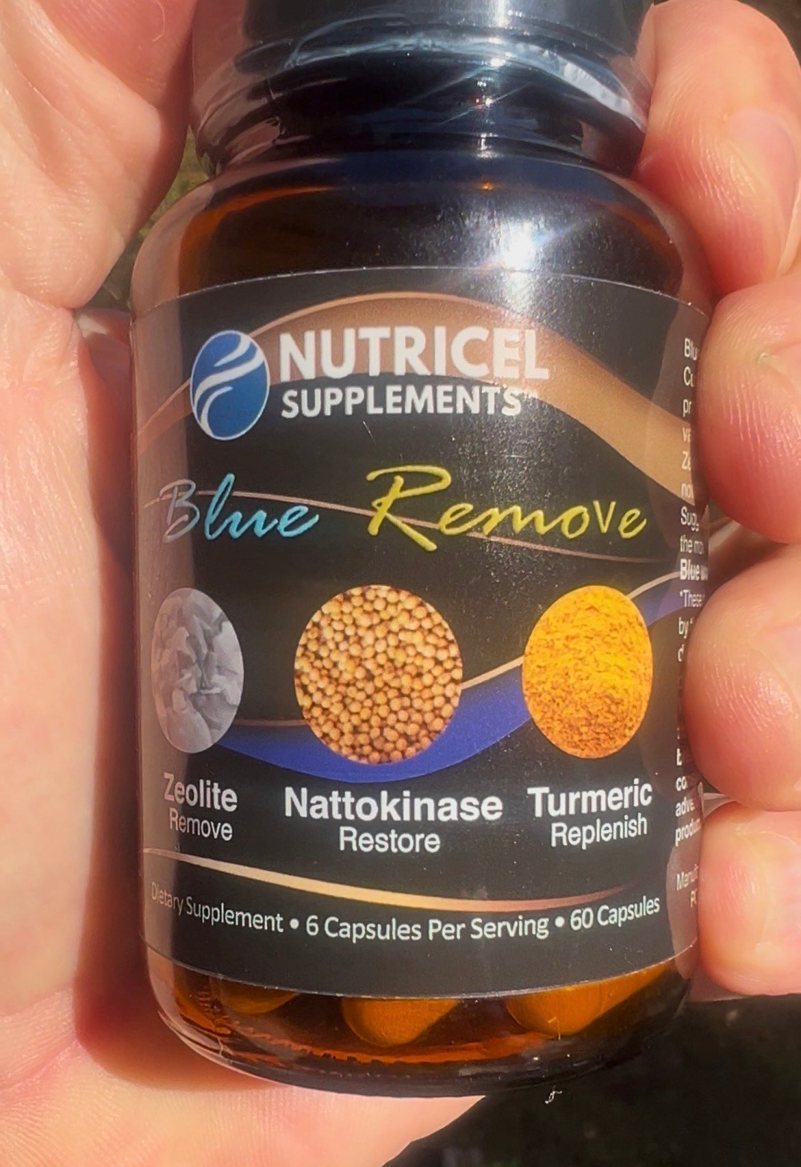
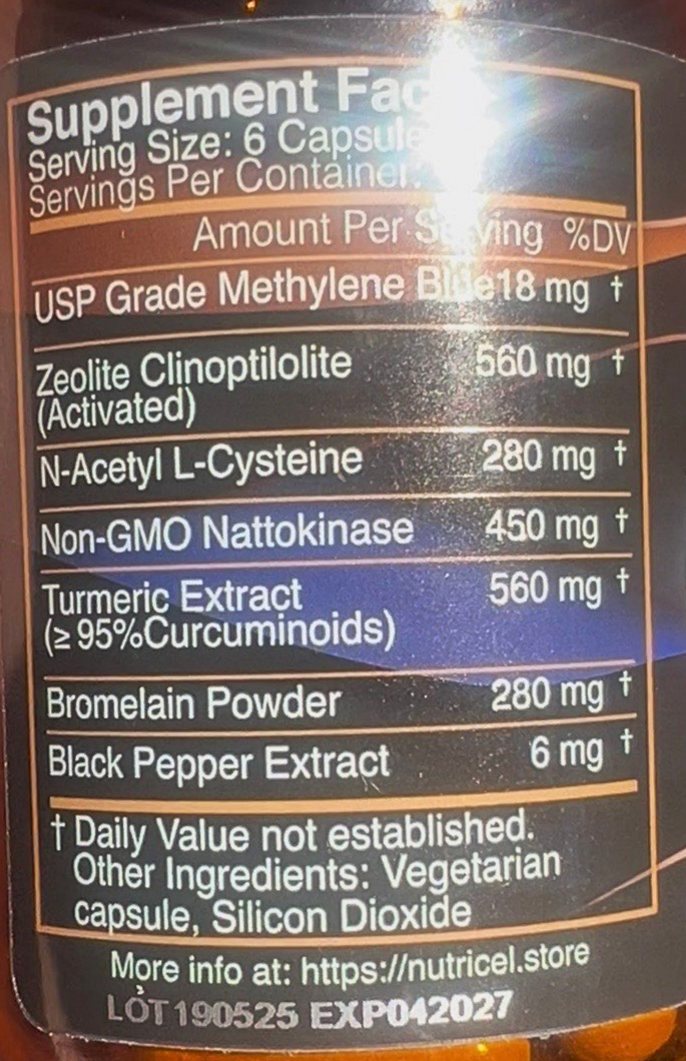
After my own COVID infections, I take Nutricel’s Blue Remove (pictured at right) in hopes of helping clear any persistent spike protein. This is a personal choice and a research interest. I cannot honestly claim definitive proof that my supplement choice—which includes the three supplements that Dr. McCullough recommends—eradicates spike or reduces my cancer risk.
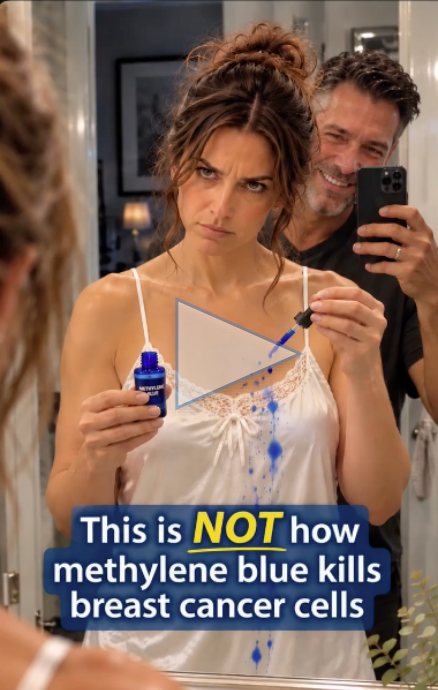
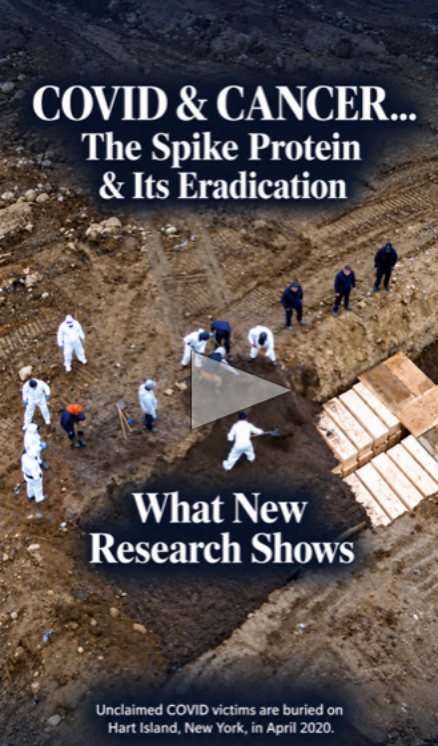
Blue Remove also includes methylene blue, which has impressive preclinical evidence in cancer, and influences my supplement choice.25 For my evaluation of the research on methylene blue in cancer, please click here (also to the right) to view my Instagram post. (A more extensive article on the subject will soon be posted on VerityHealthInstitute.com.) Methylene blue should probably not be used with medicines like SSRIs or SNRIs, which are often used in psychological conditions.
Nutricel Blue Remove product information: https://nutricel.store/products/blue-remove. (The Verity Health Institute nor I receive any affiliate funding from purchases through this link.)
In Conclusion
The striking South Korean numbers deserve attention, even if Pfizer and Moderna protest. The unusual cases deserve investigation, even if Fauci and the CDC ignore them. The proposed mechanisms and laboratory findings deserve attention, even if CNN calls us “nuts” and Zuckerberg’s Facebook empire bans us for it. Lives are at stake.
This research deserves to be publicized. For that reason, I encourage you to watch, like, follow, and share my social media post on these findings: On Instagram to the right, or here. On YouTube here. On TikTok here. On Facebook here.
I remain interested in practical, affordable ways to help patients and give them evidence-based hope. That hope is strongest when more people boldly tell the truth about these suppressed findings and remedies.
Would you like a free consult with the Verity Health Institute to evaluate the medical research for repurposed, generic drugs and supplements for your particular kind of cancer? Or the kind of cancers in your family tree or your loved one? Schedule a free consultation:
VerityHealthInstitute.com/book
Here’s the research… You decide.
Disclosure and Educational Notice
NOT MEDICAL ADVICE. For educational purposes only. All supplements should be cleared through your oncologist team. Do not replace cancer treatment or routine screening with a Spike-clearance regimen.
The evidence for the harm from the Spike protein, and the benefit of nattokinase, bromelain, and curcumin, is largely observational, case-based, mechanistic, or preclinical. These observations and remedies have not been established in large, rigorous human trials. This article does not establish that infection or vaccination caused an individual’s cancer.

References and source links
Study types are labeled to distinguish original research from reviews, case reports, preprints, testimony, and commercial information. Links were checked for this article on October 30, 2026; some publishers restrict full-text access.
1. Our World in Data. Share of people who received at least one dose of COVID-19 vaccine. World series, August 12, 2024. Data visualization and downloadable dataset.
https://ourworldindata.org/grapher/share-people-vaccinated-covid
2. Kim et al. 1-year risks of cancers associated with COVID-19 vaccination: a large population-based cohort study in South Korea. Biomarker Research. 2025. Observational cohort; publisher concern notice added October 22, 2025.
https://doi.org/10.1186/s40364-025-00831-w
3. CBS News. Transcript: Dr. Anthony Fauci on Face the Nation, November 28, 2021. Primary interview transcript.
https://www.cbsnews.com/news/transcript-dr-anthony-fauci-on-face-the-nation-november-28-2021/
4. Associated Press. Zuckerberg says the White House pressured Facebook to censor some COVID-19 content during the pandemic. PBS NewsHour. August 27, 2024. News report quoting Zuckerberg’s August 26 letter.
https://www.pbs.org/newshour/politics/zuckerberg-says-the-white-house-pressured-facebook-to-censor-some-covid-19-content-during-the-pandemic
5. Sweney M. Mark Zuckerberg says White House ‘pressured’ Facebook to censor Covid-19 content. The Guardian. August 27, 2024. News report.
https://www.theguardian.com/technology/article/2024/aug/27/mark-zuckerberg-says-white-house-pressured-facebook-to-censor-covid-19-content
6. New York Supreme Court, Appellate Division, Second Department. Matter of Garvey v City of New York. March 18, 2026. Decision reversing the 2022 judgment and dismissing the proceeding.
https://www.nycourts.gov/courts/ad2/Handdowns/2026/Decisions/D79941.pdf
7. Malone RW, Felgner PL, Verma IM. Cationic liposome-mediated RNA transfection. Proceedings of the National Academy of Sciences USA. 1989;86:6077–6081. Laboratory study.
https://pubmed.ncbi.nlm.nih.gov/2762315/
8. Malone RW. Statement and Testimony COVID-19. Author’s published statement. Primary source for his policy views.
https://www.malone.news/p/statement-and-testimony-covid-19
9. McCullough PA. Testimony at the Allison hearing, Day 4, Ottawa, September 11, 2026. Quotation at approximately 12:26 of individual testimony. Video testimony; an unofficial searchable transcript is also available at allisoninquiryunofficial.com/60-dr-peter-mccullough.
https://www.youtube.com/watch?v=t8fQ5MIRm5s&t=739s
10. Catanzaro JA, Hulscher N, Stricker RB, Waselenko JK, McCullough PA. Potential Oncogenicity of Synthetic mRNA Vaccines: Convergent Mechanistic, Clinical, and Population Evidence for a Concurrent-Hit Model of Accelerated Malignancy. Zenodo. September 3, 2026. Preprint; mechanistic synthesis.
https://zenodo.org/records/22282111
11. Seneff S, Nigh G, Kyriakopoulos AM, McCullough PA. Innate immune suppression by SARS-CoV-2 mRNA vaccinations: The role of G-quadruplexes, exosomes, and MicroRNAs. Food and Chemical Toxicology. 2022;164:113008. Mechanistic review.
https://pubmed.ncbi.nlm.nih.gov/35436552/
12. Hulscher N, McCullough PA, Catanzaro JA. Gene Expression Alterations Induced by mRNA Vaccines. Journal of American Physicians and Surgeons. 2026;31(1):20–22. Interpretive synthesis.
https://jpands.org/vol31no1/hulscher.pdf
13. Hulscher N et al. Persistence of Vaccine mRNA, Plasmid DNA, Spike Protein, and Genomic Dysregulation Over 3.5 Years Post-COVID-19 mRNA Vaccination. Medical Research Archives. June 30, 2026. Case report.
https://esmed.org/MRA/mra/article/view/7631
14. Kuperwasser C, El-Deiry WS. COVID vaccination and post-infection cancer signals: Evaluating patterns and potential biological mechanisms. Oncotarget. January 2026. Literature review and safety-signal synthesis.
https://www.oncotarget.com/article/28824/text/
15. Acuti Martellucci C et al. COVID-19 vaccination, all-cause mortality, and hospitalization for cancer: 30-month cohort study in an Italian province. EXCLI Journal. 2025;24:690–707. Observational cohort.
https://doi.org/10.17179/excli2025-8400
16. Hulscher N et al. Fatal Cardiac Intimal Sarcoma in a 35-Year-Old Male Following COVID-19 mRNA Vaccination: Plasmid DNA Fragments Encoding the S-Protein Detected in Tumor Tissue. Zenodo. September 9, 2026. Preprint; case report.
https://zenodo.org/records/22677693
17. Catanzaro JA, Hulscher N, McCullough PA. Genomic Integration and Molecular Dysregulation in Aggressive Stage IV Bladder Cancer Following COVID-19 mRNA Vaccination. International Journal of Innovative Research in Medical Science. 2025;10(10):380–386. Case report.
https://ijirms.in/index.php/ijirms/article/view/2130
18. von Ranke N et al. Synthetic messenger RNA vaccines and transcriptomic dysregulation: Evidence from new-onset adverse events and cancers post-vaccination. World Journal of Experimental Medicine. 2025;15(4):113869. Small comparative transcriptomic study.
https://doi.org/10.5493/wjem.v15.i4.113869
19. Sano S. A case of metastatic breast carcinoma to the skin expressing SARS-CoV-2 spike protein possibly derived from mRNA vaccine. Journal of Dermatological Science. 2025;120:71–73. Case letter; original full text may require access.
https://doi.org/10.1016/j.jdermsci.2025.09.007
20. Zeyen et al. Transient MRI changes and neurological deterioration in glioblastoma upon SARS-CoV-2 infection. Journal of Cancer Research and Clinical Oncology. 2024. Three-patient case series.
https://doi.org/10.1007/s00432-024-05963-4
21. Mitrofanova LB et al. High Risk of Heart Tumors after COVID-19. Life. 2023;13(10):2087. Retrospective tumor series with a small immunohistochemistry subset.
https://pubmed.ncbi.nlm.nih.gov/37895467/
22. Tanikawa T et al. Degradative Effect of Nattokinase on Spike Protein of SARS-CoV-2. Molecules. 2022;27(17):5405. Laboratory study.
https://pmc.ncbi.nlm.nih.gov/articles/PMC9458005/
23. Hulscher N, Procter BC, Wynn C, McCullough PA. Clinical Approach to Post-acute Sequelae After COVID-19 Infection and Vaccination. Cureus. 2023;15(11):e49204. Review proposing a treatment protocol; not an efficacy trial.
https://pmc.ncbi.nlm.nih.gov/articles/PMC10663976/
24. Hulscher N et al. Proteolytic Targets and Clinical Benefits of Oral Nattokinase: Spike Protein and Amyloid Degradation, Fibrinolysis, and Cardiovascular Risk Reduction. Zenodo. September 21, 2026. Preprint; review.
https://zenodo.org/records/22876167
25. Nutricel. Blue Remove product page. Manufacturer’s formula and warnings, accessed October 30, 2026. Commercial information; not a clinical study.
https://nutricel.store/products/blue-remove
26. Dos Santos AF et al. Methylene blue photodynamic therapy induces selective and massive cell death in human breast cancer cells. BMC Cancer. 2017;17:194. Cell and three-dimensional culture experiments.
https://doi.org/10.1186/s12885-017-3179-7